
Acne is finally gone, but the marks are still there. Sound familiar?
If you’ve been looking in the mirror wondering, “Why are my acne marks not fading?”, you’re not alone. For many people, the acne disappears, but the reminders stay behind in the form of dark spots, red marks or scars.
The good news? Not all acne marks are permanent. With the right skincare, sun protection and dermatologist-recommended treatments, they can improve significantly.
In this blog, we’ll explain why acne marks take so long to fade, what type of marks you have, and the best treatments that actually work.
What Are Acne Marks?
Before treating acne marks, it’s important to understand what they actually are.
Not every mark left after acne is a scar. In fact, most people mistake pigmentation for scarring.
There are three common types of acne marks:
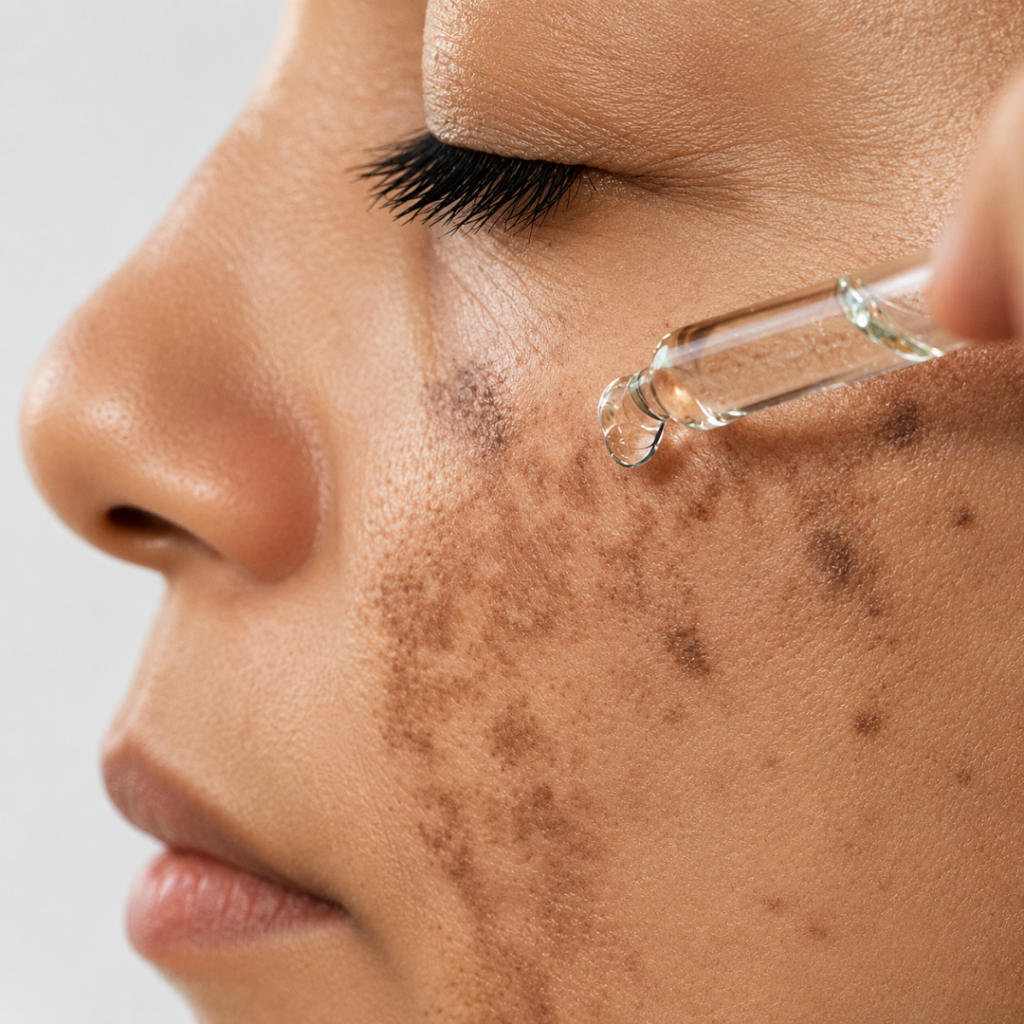
1. Post-Inflammatory Hyperpigmentation (PIH)
- Brown or dark spots left after a pimple heals.
- More common in Indian and darker skin tones.
- Usually fades over time with proper treatment.
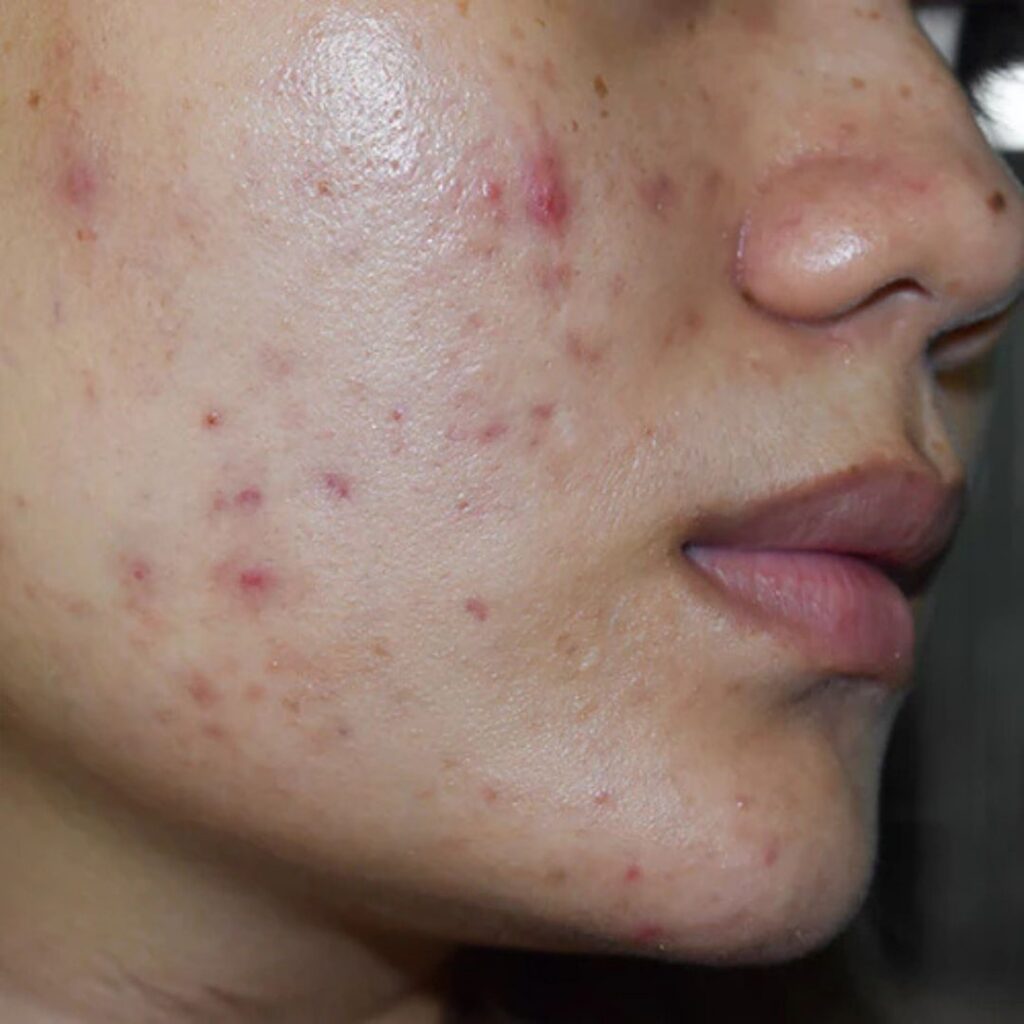
2. Post-Inflammatory Erythema (PIE)
- Red or pink marks caused by damaged blood vessels.
- Common in lighter skin tones.
- May take several months to fade.
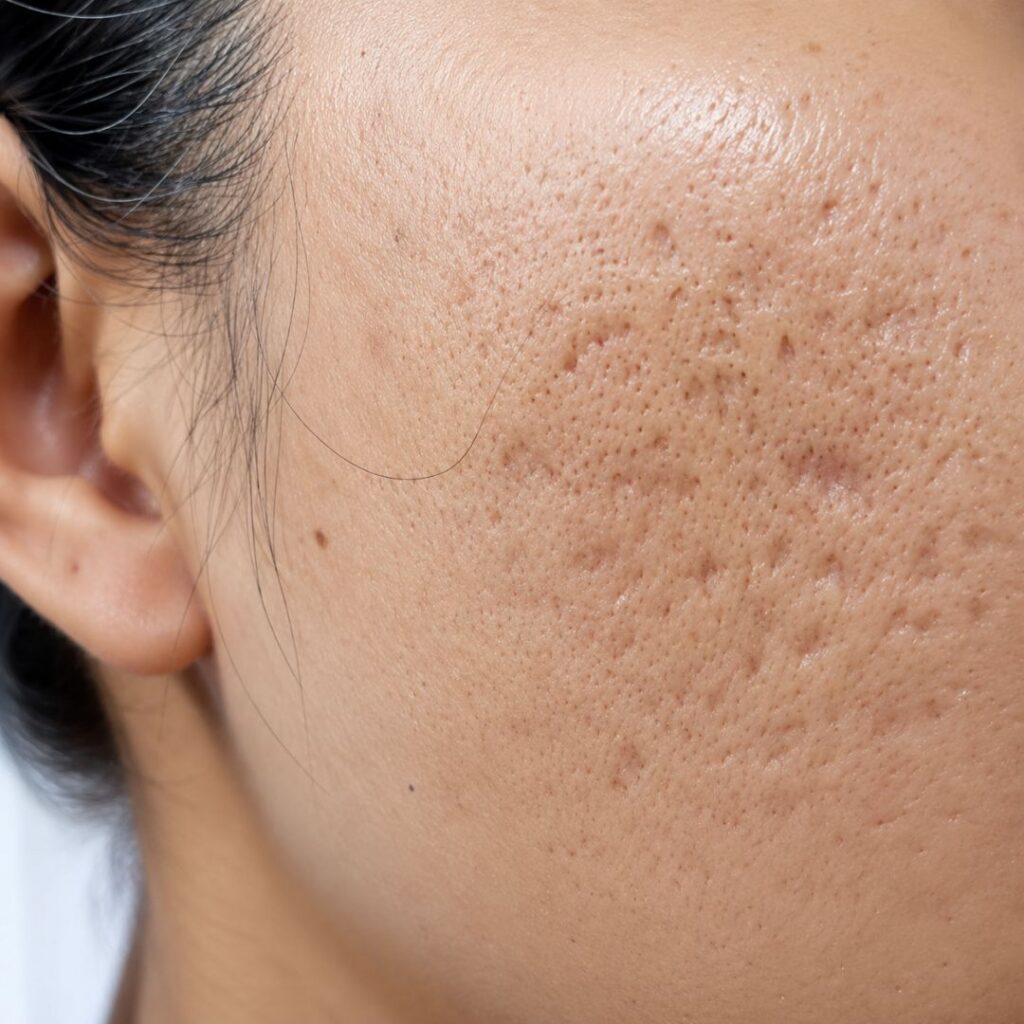
3. Acne Scars
- Permanent changes in skin texture.
- Appear as pits, dents, or raised areas.
- Usually require professional dermatological procedures.
Knowing which type you have is the first step toward choosing the right treatment.
Why Are Your Acne Marks Not Going Away?
There isn’t just one reason. Here are the most common causes.
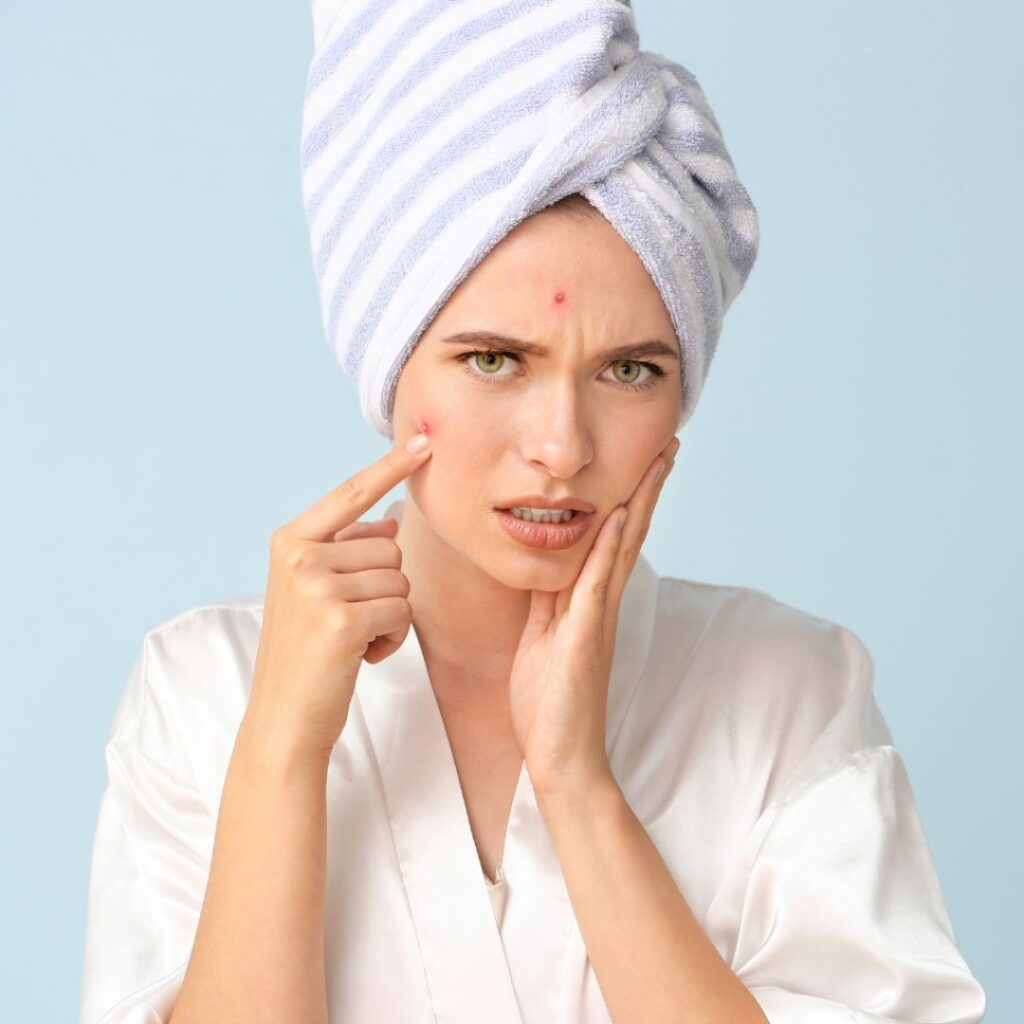
1. You’re Still Getting New Breakouts
Every new pimple creates fresh inflammation, which means your skin has to start healing all over again.
If acne keeps returning, old marks don’t get enough time to fade before new ones appear.
What You Can Do
- Treat active acne first.
- Follow a dermatologist-prescribed routine.
- Avoid skipping acne medications.
2. You Keep Picking or Popping Pimples
This is one of the biggest reasons acne marks last longer.
Picking pimples:
- Pushes bacteria deeper into the skin
- Increases inflammation
- Delays healing
- Raises the risk of permanent scars
Rule of thumb: If you touch it, it usually takes longer to heal.
3. You’re Not Using Sunscreen Every Day
Many people spend money on serums but forget sunscreen.
Unfortunately, UV rays make acne marks darker and slower to fade.
Even if you’re indoors most of the day, sunlight through windows can still affect pigmentation.
Choose:
- Broad-spectrum SPF 30 or higher
- Non-comedogenic sunscreen
- Daily application—even on cloudy days
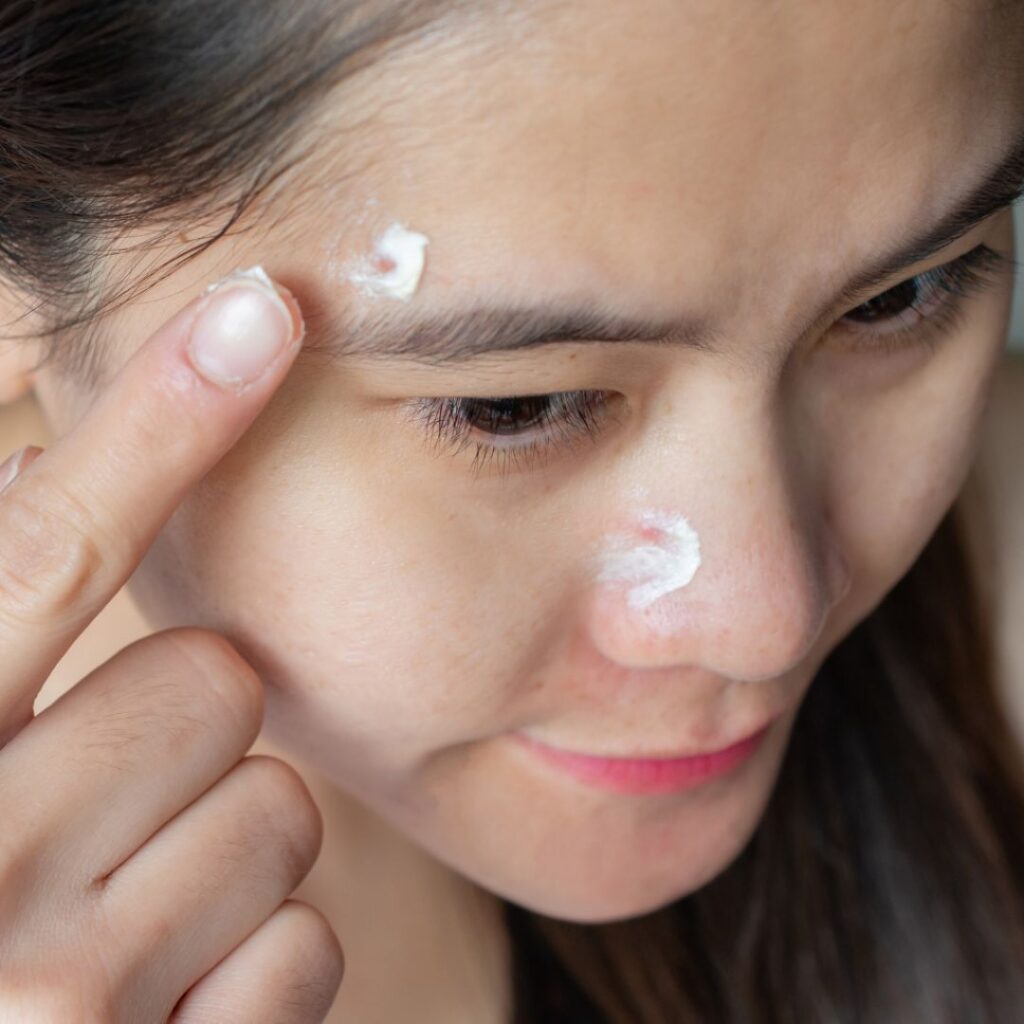
4. Your Skin Naturally Produces More Pigment
If you have Indian skin, you’re naturally more prone to post-inflammatory hyperpigmentation (PIH).
After acne heals, your skin produces extra melanin, leaving behind stubborn dark spots that may take months to disappear.
This doesn’t mean your skin is unhealthy—it simply heals differently.
5. Your Skincare Routine Isn’t Targeting Acne Marks
Using only a face wash and moisturizer may keep your skin healthy, but it won’t necessarily fade pigmentation.
Certain ingredients specifically help reduce acne marks.
Ingredients That Dermatologists Often Recommend
- Niacinamide
- Azelaic Acid
- Vitamin C
- Retinoids
- Alpha Arbutin
- Tranexamic Acid (in selected cases)
- kojic acid
Avoid using multiple active ingredients without professional guidance, as this can irritate your skin and worsen pigmentation.

6. They Might Actually Be Acne Scars
If your skin has tiny pits or uneven texture, you’re probably dealing with acne scars—not just marks.
Unlike pigmentation, scars don’t fade with creams because the skin’s collagen structure has changed.
Common Types of Acne Scars
- Ice Pick Scars
- Boxcar Scars
- Rolling Scars
These usually require professional treatments like microneedling or laser resurfacing.
7. You’re Expecting Results Too Quickly
Skin healing is a gradual process.
Even the best skincare products need time to work.
Here’s a realistic timeline:
| Skin Concern | Average Healing Time |
| Red acne marks | 3–6 months |
| Brown pigmentation | 3–12 months |
| Acne scars | Usually require treatment |
Consistency matters far more than trying new products every week.
How to Get Rid of Acne Marks Faster
If your marks aren’t improving, a dermatologist may recommend one or a combination of the following treatments.
Medical-Grade Skincare
Prescription creams contain stronger active ingredients that help:
- Speed up skin renewal
- Reduce pigmentation
- Prevent new breakouts
They are often the first step before considering procedures.
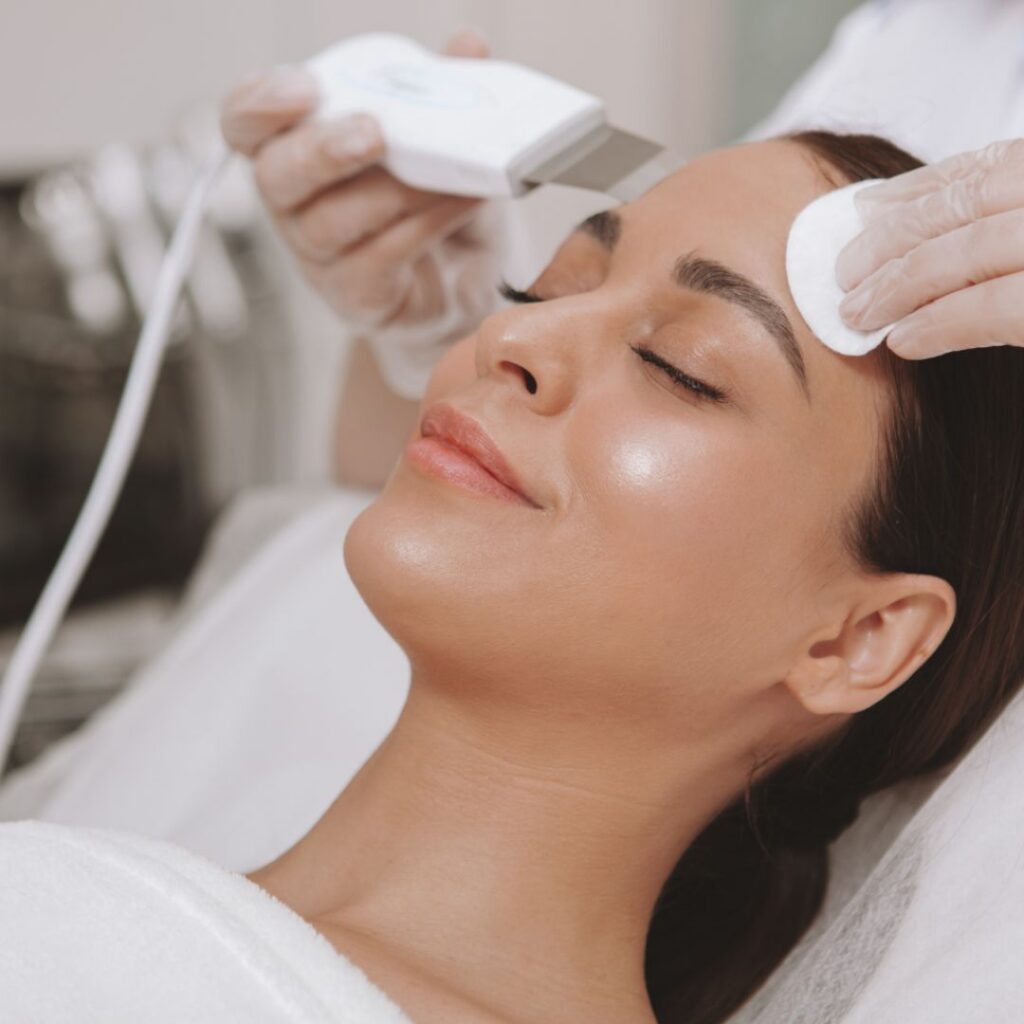
Chemical Peels
Chemical peels gently remove damaged skin cells, helping reveal fresher skin underneath.
Best for:
- Mild pigmentation
- Uneven skin tone
- Early acne marks
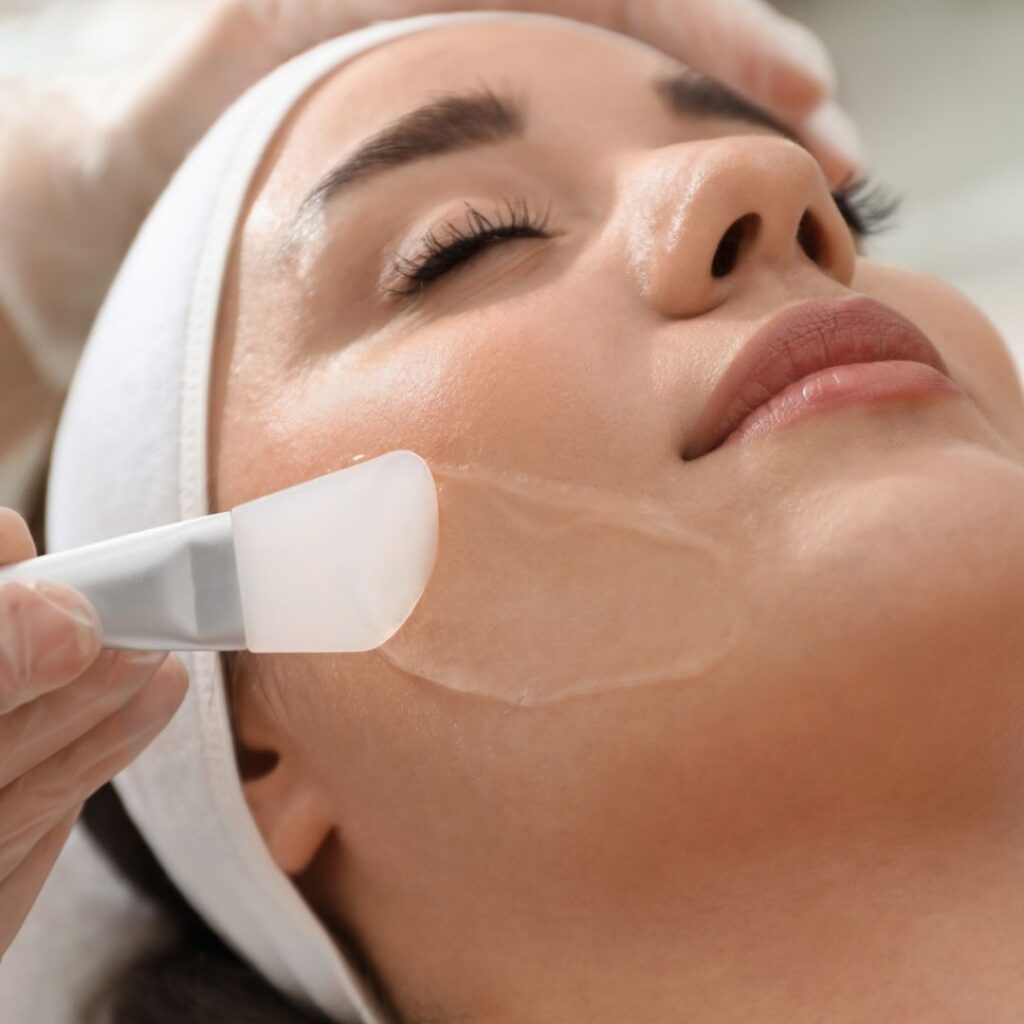
Microneedling
Microneedling creates tiny controlled injuries in the skin, stimulating collagen production.
It is especially effective for:
- Acne scars
- Enlarged pores
- Rough skin texture
Most patients require multiple sessions for optimal results.
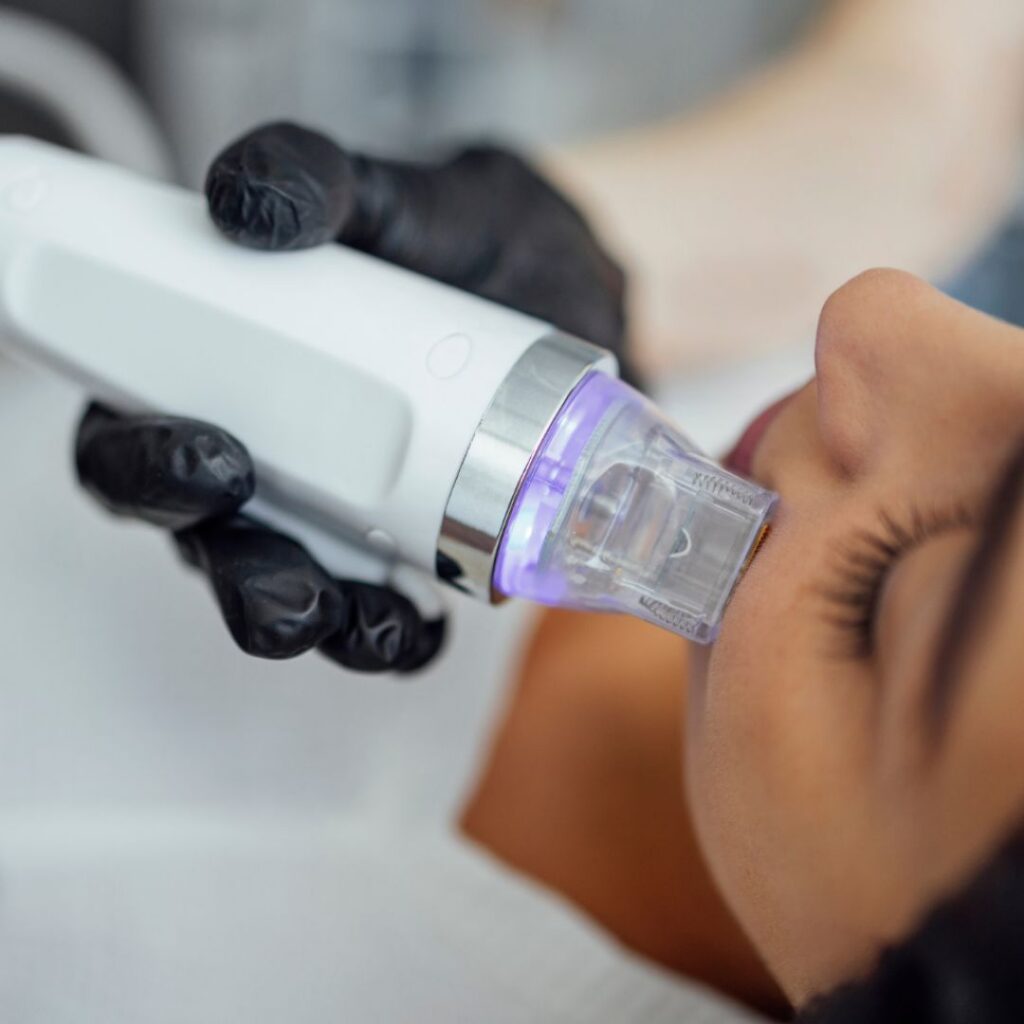
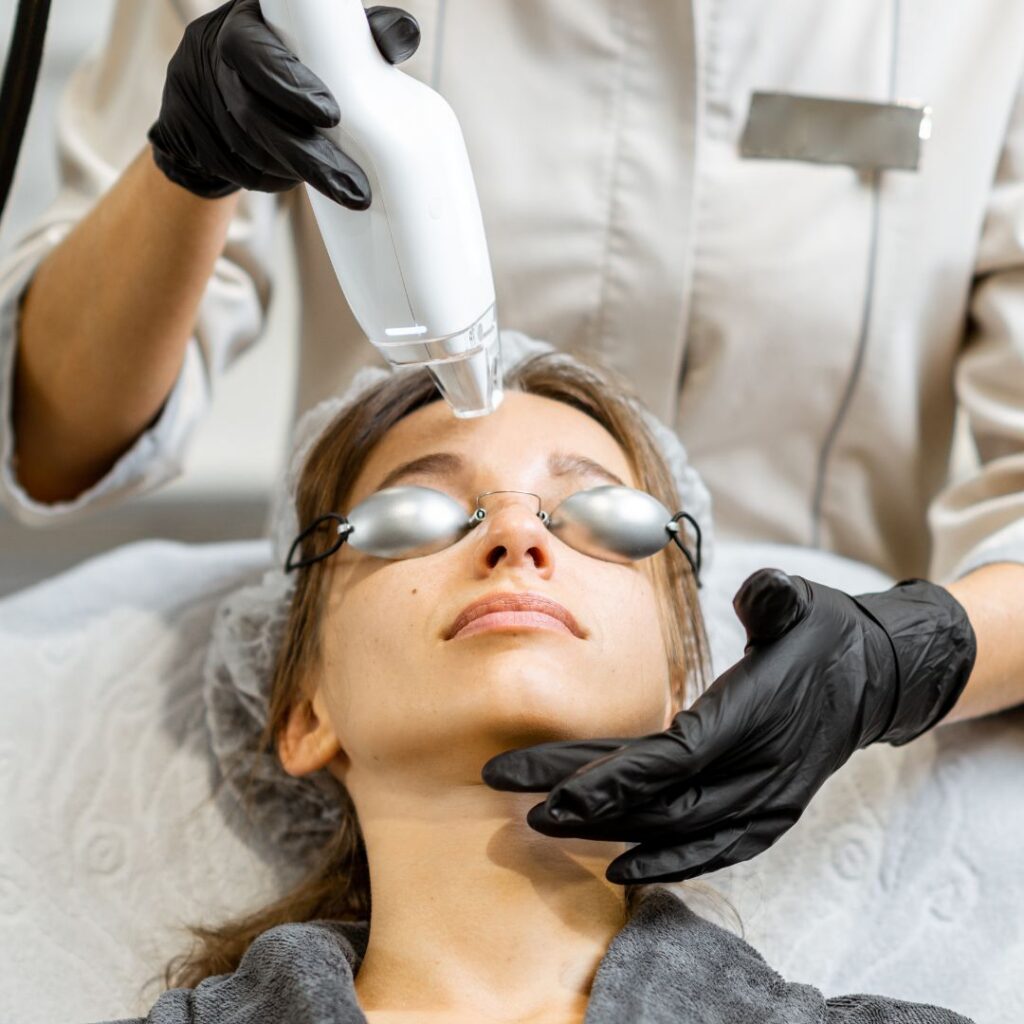
Laser Treatment
Laser treatments work by targeting pigmentation, redness, or scar tissue more precisely.
Depending on your skin type, your dermatologist may recommend:
- Pico Laser
- Fractional CO₂ Laser
- Other resurfacing lasers
Laser treatments are usually customized according to the severity of your acne marks.
Combination Treatments Deliver Better Results
In many cases, no single treatment is enough.
Dermatologists often combine:
- Prescription skincare
- Chemical peels
- Microneedling
- Laser therapy
A personalized treatment plan usually produces faster and longer-lasting results.
Home Remedies: Do They Actually Work?
Social media is full of DIY remedies, but many of them can do more harm than good.
Avoid applying:
- Lemon juice
- Toothpaste
- Baking soda
- Harsh scrubs
These can irritate your skin, increase inflammation and make pigmentation worse.
Instead, follow a gentle skincare routine recommended by your dermatologist.
Everyday Habits That Help Acne Marks Fade Faster
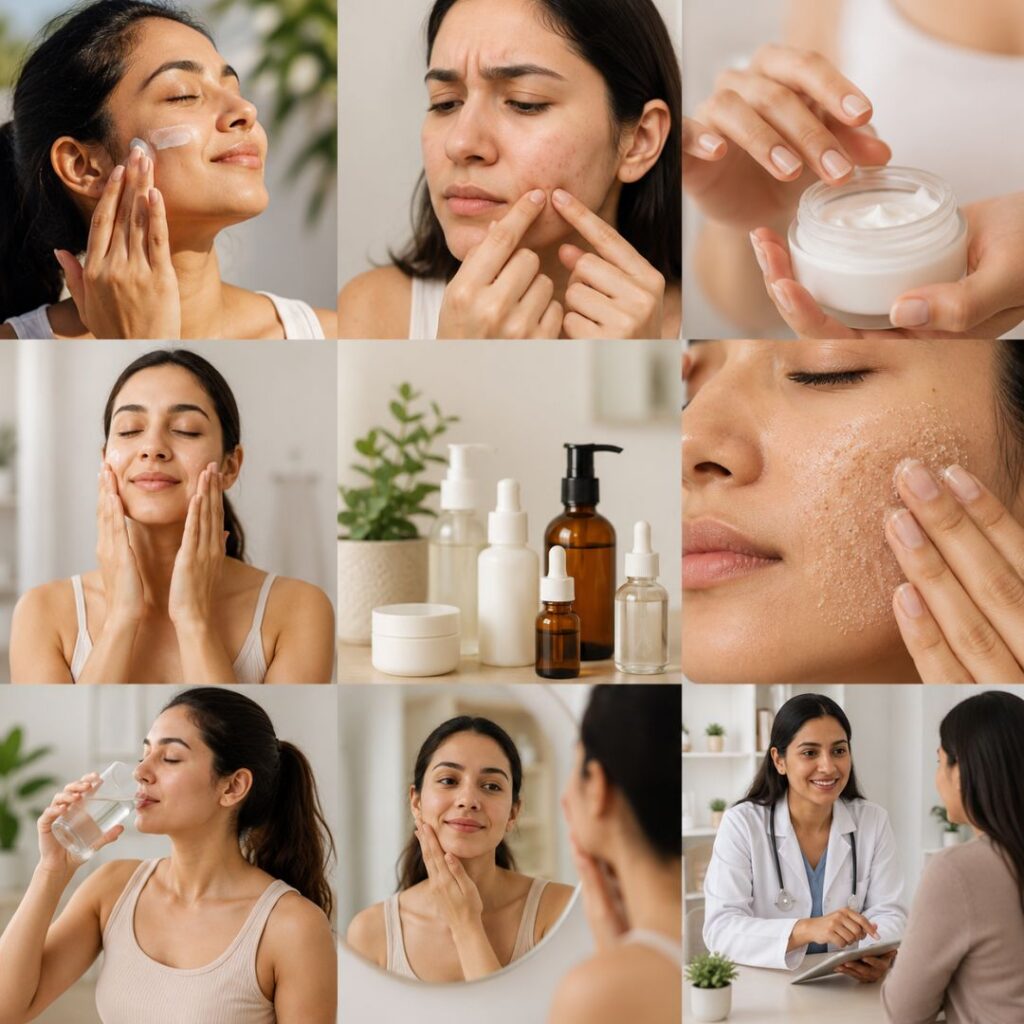
Small habits can make a big difference.
✔ Wear sunscreen daily.
✔ Don’t pick pimples.
✔ Moisturize regularly.
✔ Be consistent with your skincare routine.
✔ Avoid over-exfoliating.
✔ Stay hydrated.
✔ Follow your dermatologist’s advice.
Remember, healthy skin improves gradually, not overnight.
When Should You Visit a Dermatologist?
It’s a good idea to schedule a consultation if:
- Your acne marks haven’t improved after 2–3 months.
- You have pitted or depressed scars.
- Over-the-counter products aren’t helping.
- You continue to get frequent breakouts.
- Your acne marks are affecting your confidence.
The earlier you seek treatment, the easier it is to prevent long-term scarring.
Final Thoughts
Persistent acne is often a sign that something more than your daily skincare routine needs attention. As a dermatologist with 8+ years of experience treating acne and acne-prone skin, I’ve seen that every patient’s skin is different. The key to long-term improvement is identifying the underlying cause and choosing the right treatment instead of relying on trial and error.
If your acne keeps coming back despite using skincare products or home remedies, it’s time for a professional evaluation. With the right diagnosis, personalized treatment plan, and consistent care, clearer and healthier skin is achievable.
Ready to Treat Persistent Acne?
If you’re struggling with acne that won’t go away, we’re here to help. At Linae Skin, Hair & Aesthetic Clinic, our experienced dermatologists provide personalized acne treatment based on your skin type, acne severity, and underlying causes. From medical treatments to advanced dermatological procedures, we create evidence-based treatment plans to help you achieve clearer, healthier skin.
Book your consultation today and take the first step toward long-lasting acne-free skin.

Book a consultation today and take the first step toward healthier, more confident skin.
Frequently Asked Questions
1. Can acne marks disappear naturally?
Yes. Most dark spots and red marks fade naturally over time, although the process can take several months. Persistent marks may require professional treatment.
2. Are acne marks permanent?
No. Pigmentation usually fades with time and proper skincare. However, acne scars are permanent changes in skin texture and often need dermatologist-performed procedures.
3. Which treatment is best for acne marks?
The best treatment depends on whether you have pigmentation, redness or scars. A dermatologist can recommend the most suitable approach after evaluating your skin.
4. How long does it take to see results?
Mild pigmentation may improve within a few months, while deeper pigmentation can take up to a year. Acne scars usually require multiple treatment sessions for noticeable improvement.