
August is observed as Psoriasis Awareness Month, making it an important time to understand this often misunderstood skin condition. Psoriasis is more than “just dry skin” or a stubborn rash. It is a chronic inflammatory skin condition that can affect the skin, scalp, nails and, in some people, the joints.
It can appear on the scalp, face, nails, feet, genital area and other parts of the body. Psoriasis can also be associated with psoriatic arthritis, which may cause joint pain, stiffness and swelling.
As a dermatologist, I often see patients who have tried multiple creams or home remedies before seeking proper medical advice. One of the most important things I tell my patients is that psoriasis can look different in every person. Understanding its symptoms, triggers, type and severity is the first step towards choosing the right treatment and managing flare-ups effectively.
In this guide, let’s understand what causes psoriasis, its common symptoms and types, psoriasis treatment options, scalp and nail psoriasis, and the connection between psoriasis and psoriatic arthritis.
What Is Psoriasis?
Psoriasis is a chronic immune-mediated inflammatory condition in which skin cells are produced and replaced much faster than normal. This rapid turnover can cause thickened, red or inflamed patches covered with scales.
Psoriasis can go through periods of flare-ups and improvement. While there is currently no permanent cure, effective psoriasis treatment can control symptoms, reduce inflammation and help prevent frequent flares.
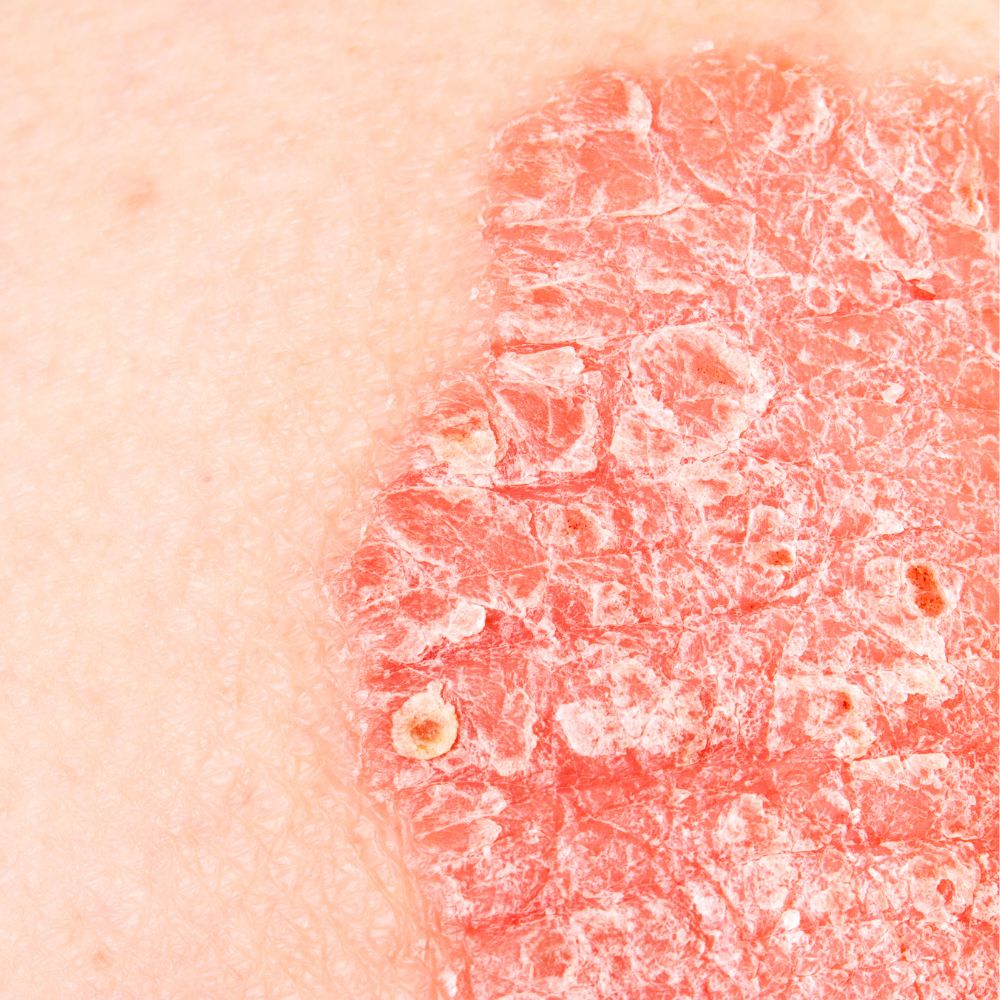
Is Psoriasis Contagious?
No, psoriasis is not contagious. You cannot catch psoriasis from someone through touching, hugging, shaking hands, sharing clothes or having close physical contact.
Psoriasis is an immune-mediated inflammatory skin condition, not an infection. The red patches, scaling and inflammation associated with psoriasis are caused by an overactive immune response rather than a virus, bacteria or fungus.
This is an important distinction because psoriasis can sometimes look like other skin conditions that may be infectious or contagious. If you notice persistent red, scaly or itchy patches, it is better to get a proper dermatological diagnosis instead of assuming it is psoriasis.
What Is the Main Cause of Psoriasis?
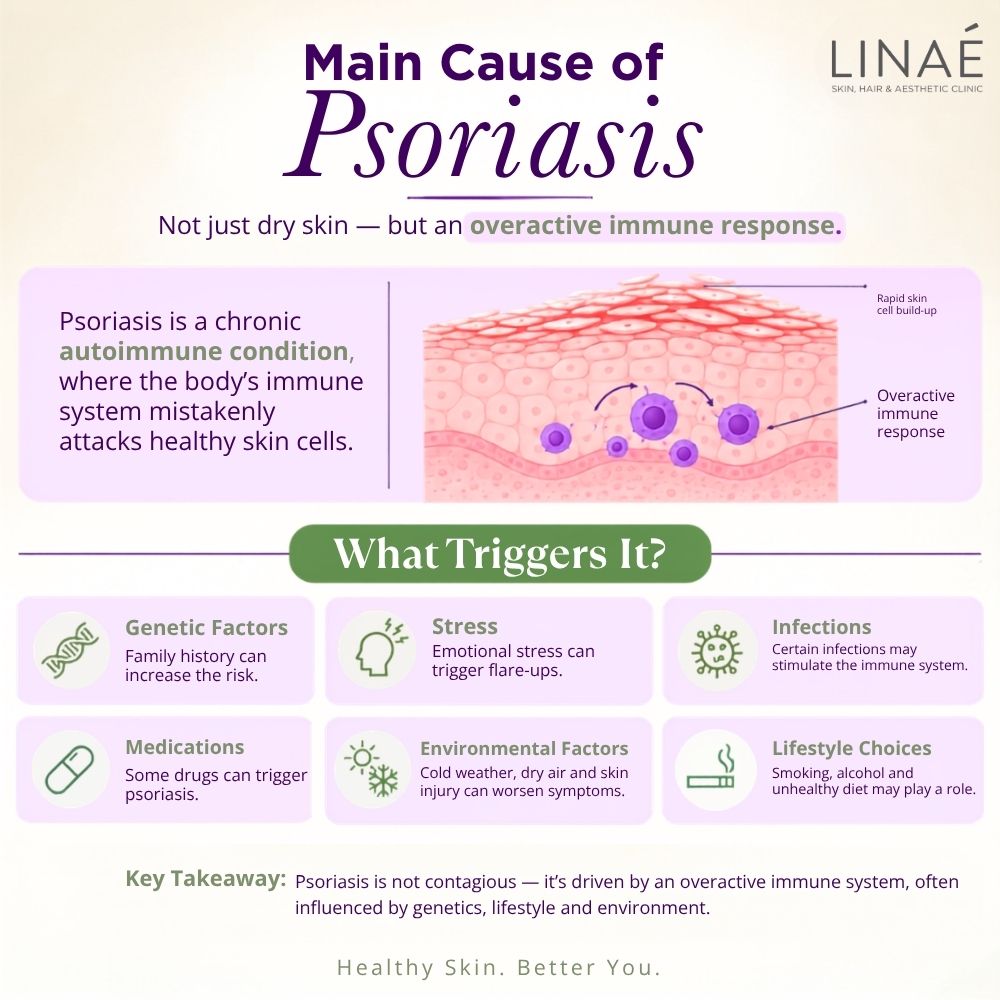
There isn’t one single cause of psoriasis.
It develops because of a combination of immune-system activity, genetic predisposition and environmental triggers. In people with psoriasis, the immune system mistakenly promotes inflammation in the skin, leading to accelerated skin-cell growth.
Common factors that may trigger or worsen psoriasis include :
- Stress
- Skin injuries or irritation
- Certain infections
- Smoking
- Alcohol
- Some medications
- Cold or dry weather
- Lack of appropriate treatment
Triggers vary from person to person, which is why identifying your individual pattern can be helpful.
What Are the Symptoms of Psoriasis?
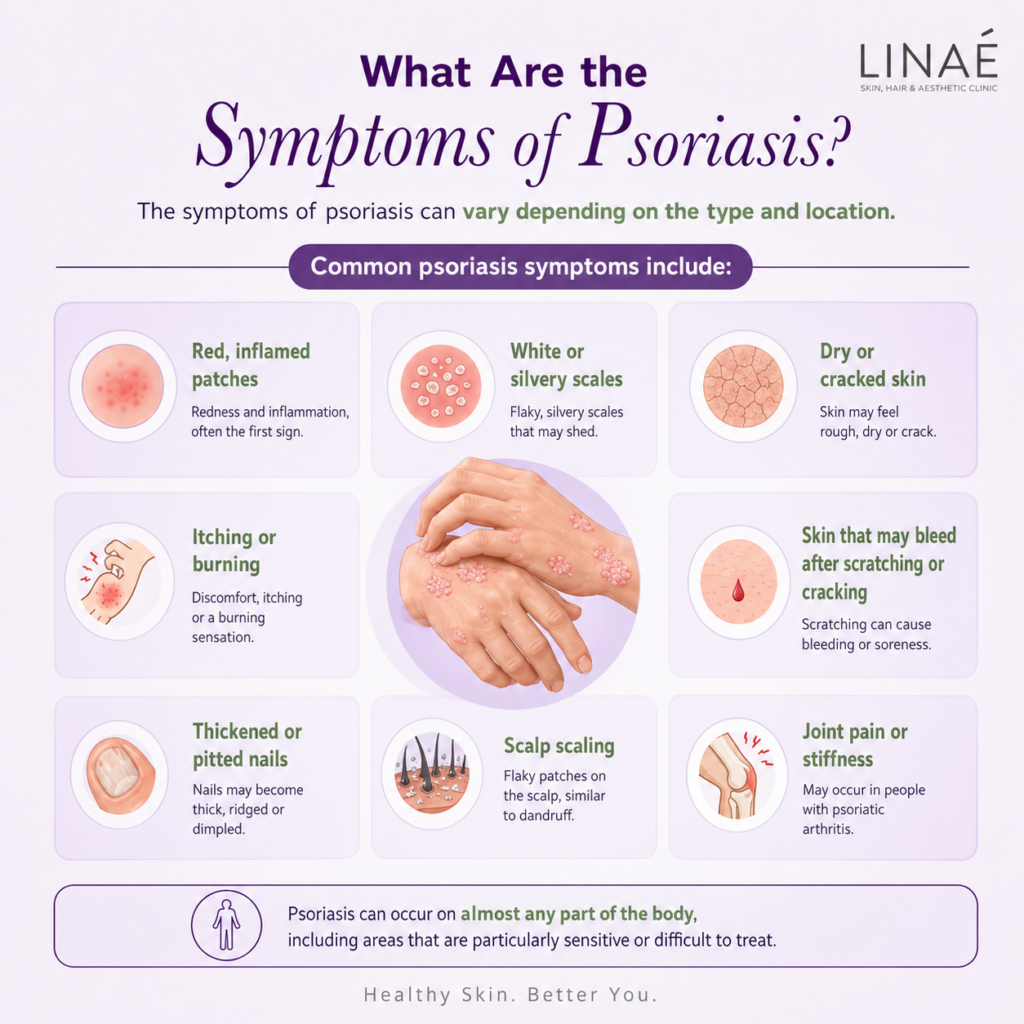
The symptoms of psoriasis can vary depending on the type and location.
Common psoriasis symptoms include:
- Red, inflamed patches
- White or silvery scales
- Dry or cracked skin
- Itching or burning
- Skin that may bleed after scratching or cracking
- Thickened or pitted nails
- Scalp scaling
- Joint pain or stiffness in people with psoriatic arthritis
Psoriasis can occur on almost any part of the body, including areas that are particularly sensitive or difficult to treat.
What Are the Different Types of Psoriasis?
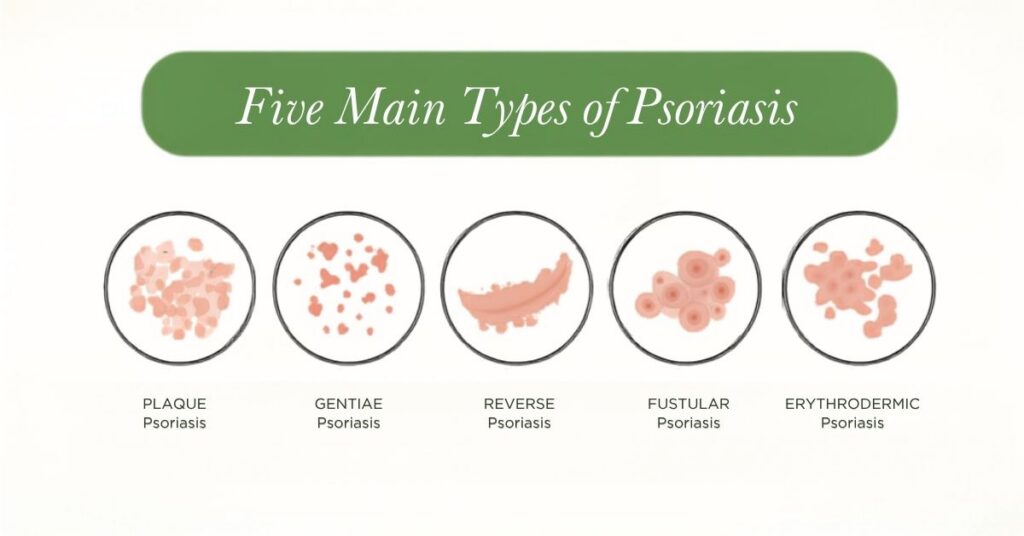
There are several types of psoriasis, and recognising the type helps determine the appropriate treatment.
1. Plaque Psoriasis
Plaque psoriasis is the most common form. It typically causes raised, inflamed patches covered with scales, commonly affecting the elbows, knees, scalp and lower back.
2. Scalp Psoriasis
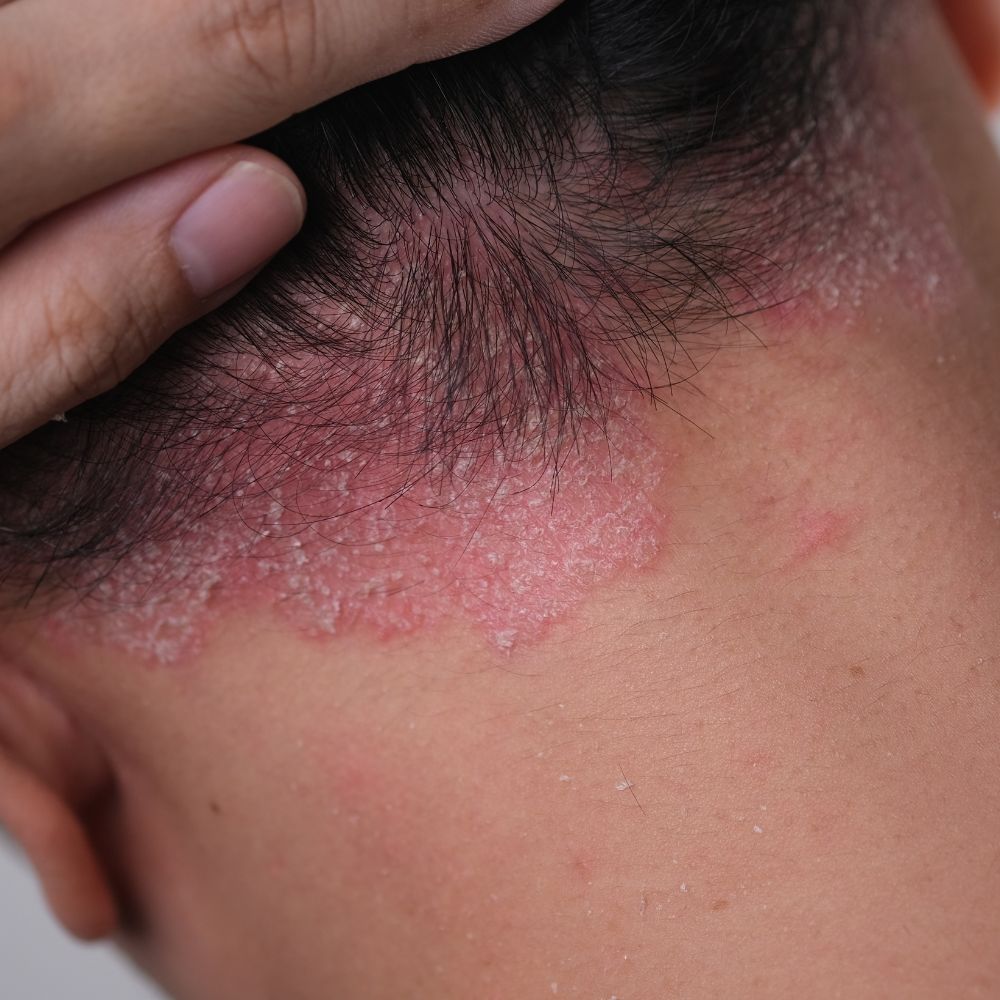
Scalp psoriasis can cause thick scaling, redness, itching and irritation on the scalp. It can sometimes extend beyond the hairline.
It may be confused with severe dandruff, but the two conditions are not the same. Persistent, thick scaling or recurrent scalp inflammation should be evaluated by a dermatologist.
3. Guttate Psoriasis
Guttate psoriasis causes numerous small, drop-like spots on the skin. It can sometimes develop following an infection, particularly in younger individuals.
4. Inverse Psoriasis
Inverse psoriasis typically affects skin folds such as the underarms, groin and areas beneath the breasts. Instead of prominent scales, it may appear as smooth, red or inflamed patches.
5. Pustular Psoriasis
This less common type causes pus-filled bumps surrounded by inflamed skin. It can be localised or widespread and may require prompt medical attention.
6. Erythrodermic Psoriasis
Erythrodermic psoriasis is a rare but potentially serious form that can cause widespread redness and peeling over large areas of the body. It requires urgent medical evaluation.
Can Psoriasis Affect the Scalp?
Yes. Scalp psoriasis is common and can range from mild scaling to thick plaques covering large areas of the scalp.
Treatment may include prescription topical medications, medicated preparations and other therapies depending on the severity.
If scalp psoriasis is severe or repeatedly returns despite treatment, it is worth consulting a dermatologist rather than continuously changing shampoos or using over-the-counter products.
Can Psoriasis Affect the Face?
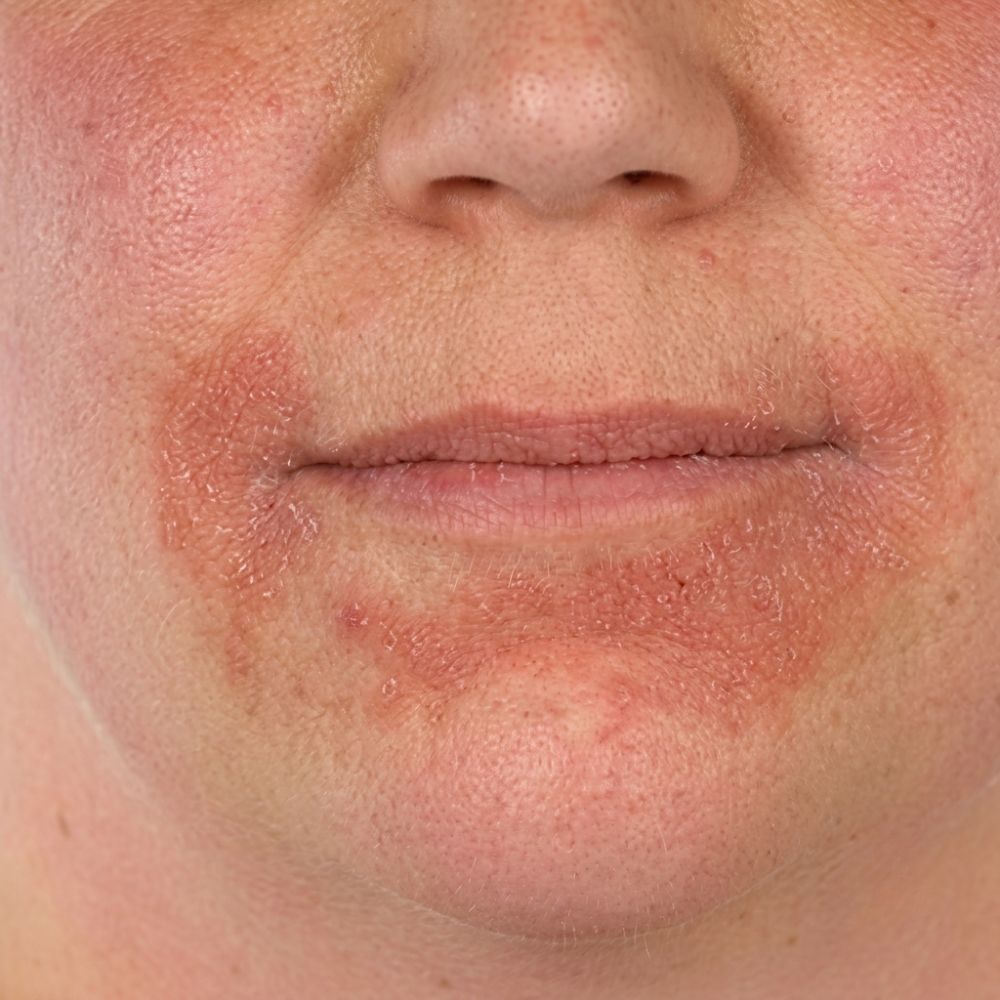
Yes. Psoriasis on the face requires particularly careful management because facial skin is sensitive.
Not every red or flaky patch on the face is psoriasis. Conditions such as seborrhoeic dermatitis, eczema and other inflammatory skin disorders can look similar.
A dermatologist can help differentiate them and select treatment that is appropriate for delicate facial skin.
What Is Psoriasis on the Feet?
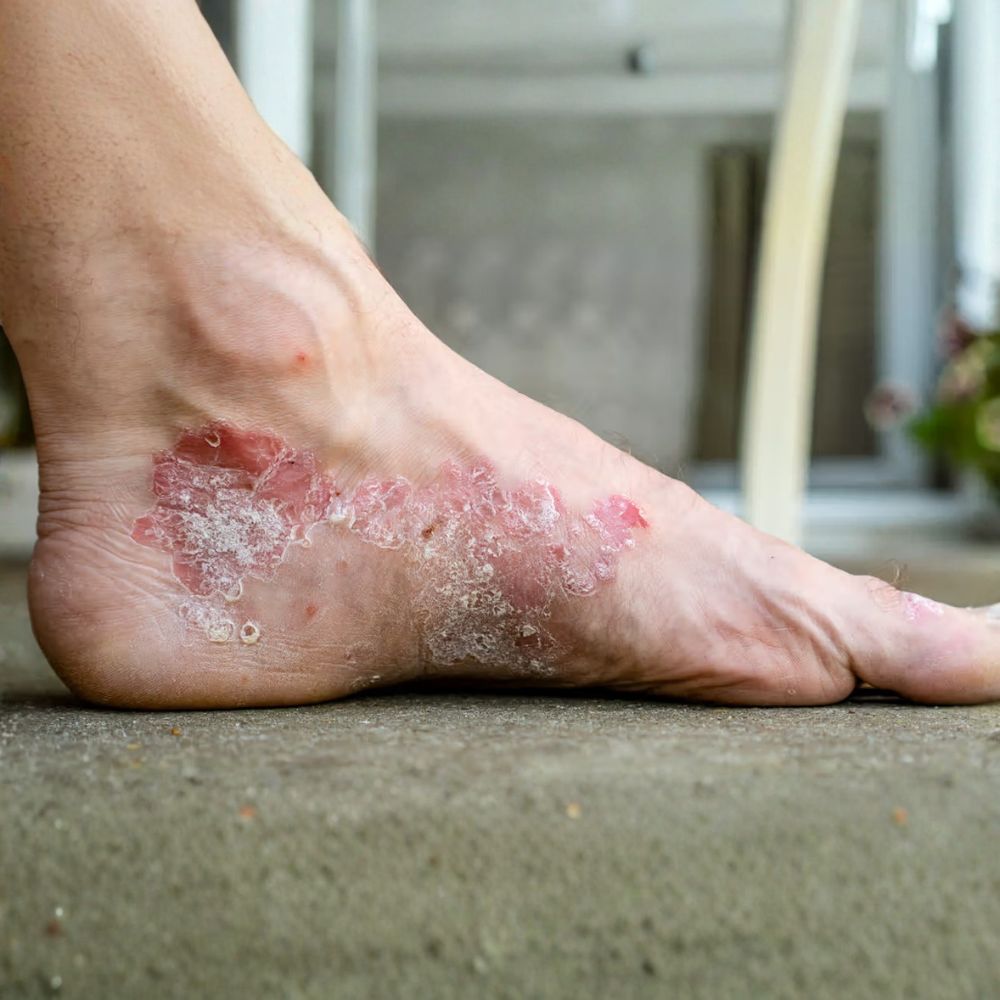
Psoriasis can affect the soles of the feet and may cause thickened, scaly or cracked skin.
Because the feet experience constant pressure and friction, symptoms can sometimes become uncomfortable while walking.
However, fungal infections can also cause scaling and cracking on the feet. Therefore, it’s important to establish the correct diagnosis before starting treatment.
What Is Nail Psoriasis?
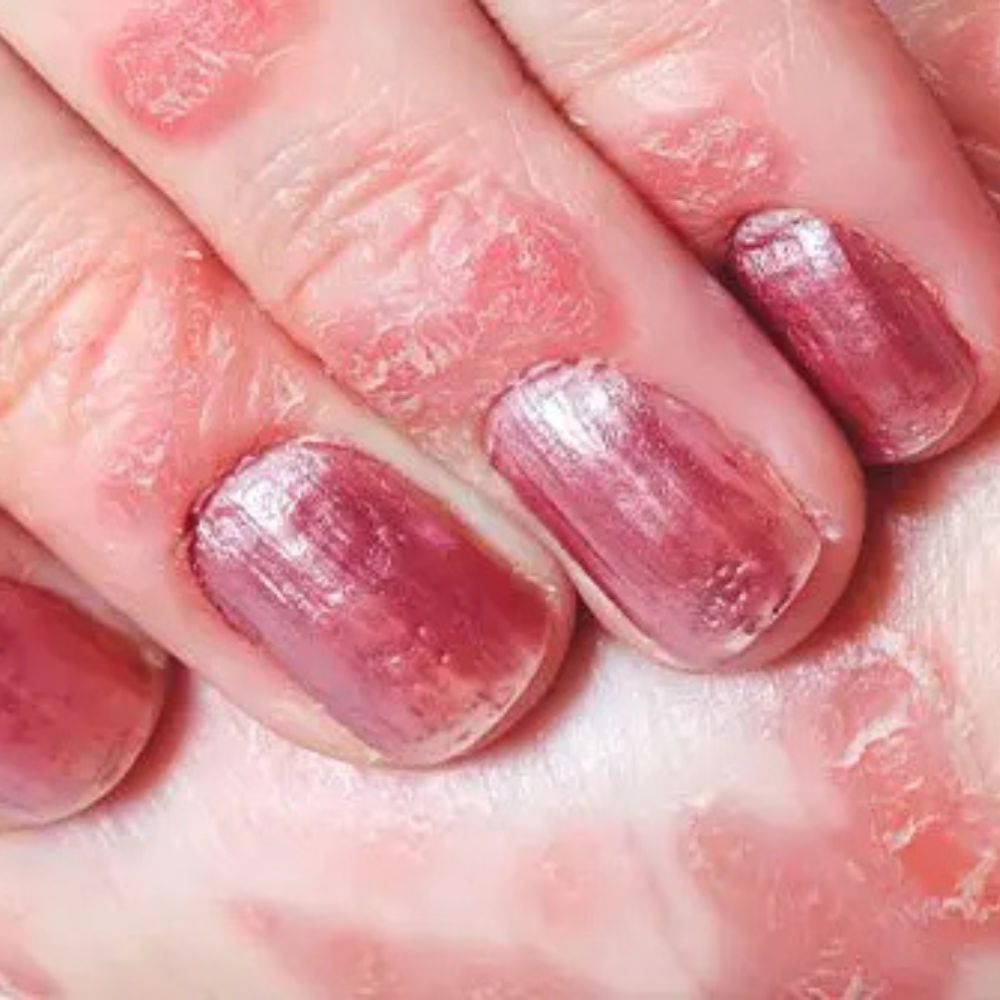
Nail psoriasis can cause:
- Small pits in the nails
- Discolouration
- Thickening
- Separation of the nail from the nail bed
- Crumbling nails
Nail changes should not automatically be assumed to be fungal. Nail psoriasis and fungal nail infections can sometimes look similar, so proper diagnosis is important.
What Is Genital Psoriasis?
Genital psoriasis affects sensitive areas and may appear as smooth, red or inflamed skin.
Because the skin in this area is thinner and more sensitive, treatment needs to be carefully selected. Self-treating with strong steroid creams can be inappropriate and may cause side effects.
If you notice persistent genital irritation, redness or scaling, consult a dermatologist for an accurate diagnosis.
Psoriasis and Psoriatic Arthritis: What’s the Connection?
Psoriasis isn’t limited to the skin.
Some people with psoriasis develop psoriatic arthritis, an inflammatory condition that affects the joints and surrounding structures.
Possible signs of psoriatic arthritis include:
- Persistent joint pain
- Joint swelling
- Morning stiffness
- Pain or stiffness in the fingers or toes
- Swelling of an entire finger or toe
- Heel or foot pain
- Nail changes associated with psoriasis
If someone with psoriasis develops persistent joint symptoms, they should not simply assume it is age-related pain or normal stiffness.
Early recognition and appropriate management of psoriatic arthritis can be important in preventing long-term joint damage.
Psoriasis Treatment: What Are the Options?
There is no single psoriasis treatment that works for everyone.
Treatment depends on factors such as the type of psoriasis, affected body areas, severity, age, previous treatments and whether joints are involved.
Depending on the situation, treatment may include:
Topical Treatments
Creams, ointments, lotions, foams or other topical medications may be prescribed for localised psoriasis.
Some people search for a psoriasis treatment cream or over-the-counter psoriasis treatment, but not every product is suitable for every type of psoriasis.
Phototherapy
Controlled ultraviolet light therapy can be considered for selected patients, particularly when psoriasis affects larger areas or does not respond adequately to topical treatment.
Systemic Treatments
Moderate-to-severe psoriasis may require medicines that work throughout the body.
Biologic Therapies
For selected patients with moderate-to-severe psoriasis or psoriatic arthritis, biologic medications may be considered after appropriate medical evaluation.
The goal isn’t simply to temporarily remove visible scales. The aim is to control inflammation and achieve sustained disease control while considering the patient’s overall health and quality of life.
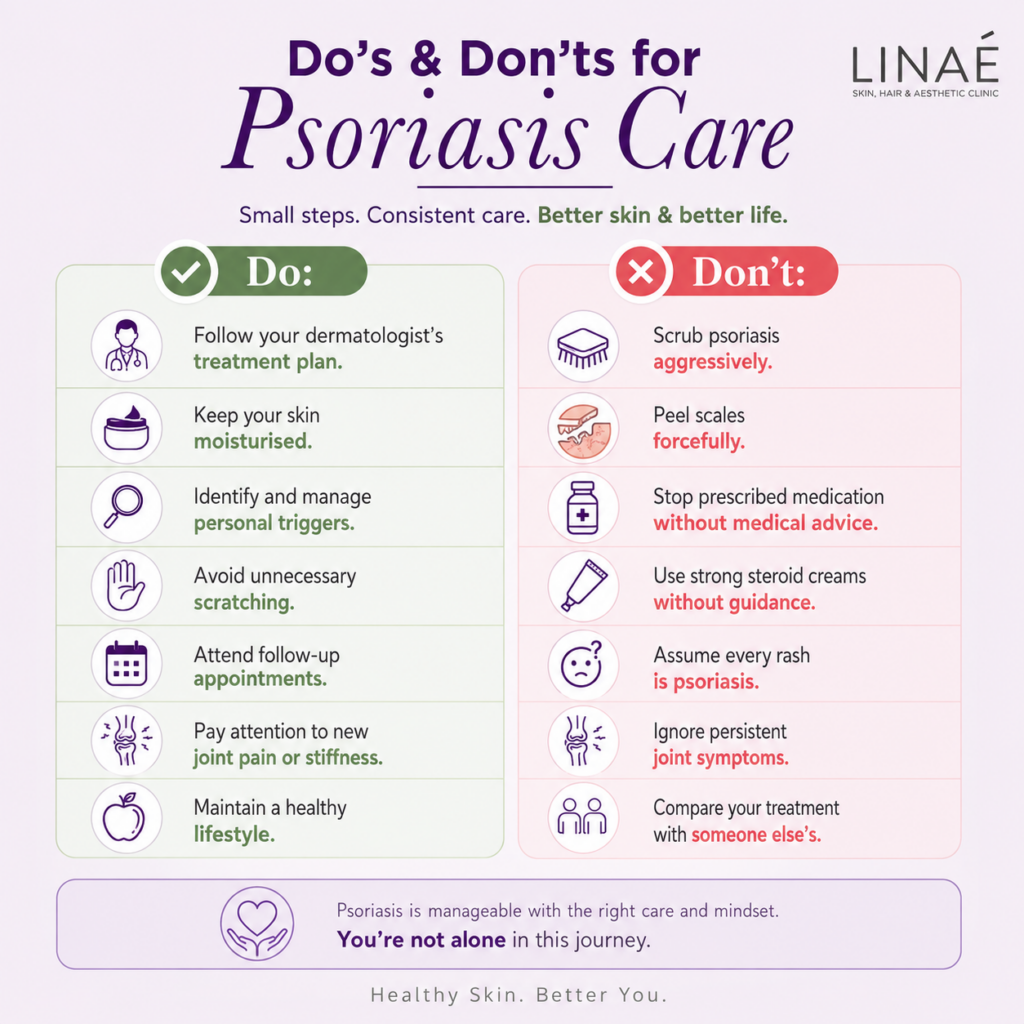
What Are the Do’s and Don’ts for Psoriasis?
Do:
- Follow your dermatologist’s treatment plan.
- Keep your skin moisturised.
- Identify and manage personal triggers.
- Avoid unnecessary scratching.
- Attend follow-up appointments.
- Pay attention to new joint pain or stiffness.
- Maintain a healthy lifestyle.
Don’t:
- Scrub psoriasis aggressively.
- Peel scales forcefully.
- Stop prescribed medication without medical advice.
- Use strong steroid creams without guidance.
- Assume every rash is psoriasis.
- Ignore persistent joint symptoms.
- Compare your treatment with someone else’s.
Is There a Cure for Psoriasis?
At present, psoriasis does not have a permanent cure.
However, psoriasis can be effectively managed. Modern treatments can significantly reduce inflammation and visible symptoms, improve quality of life and help many patients achieve long periods of clear or nearly clear skin.
The right approach is usually long-term management rather than searching for a one-time “cure.”
How Can You Minimise Psoriasis Flare-Ups?
While flare-ups cannot always be prevented, some habits may help reduce triggers.
- Moisturise regularly.
- Avoid known personal triggers.
- Protect your skin from unnecessary injury.
- Manage stress.
- Avoid smoking.
- Limit alcohol if it triggers your symptoms.
- Follow the treatment prescribed by your dermatologist.
- Seek medical advice when symptoms change or worsen.
Most importantly, don’t rely only on skincare when psoriasis is active. Psoriasis is an inflammatory condition that may require medical treatment.
When Should You See a Dermatologist?
Consider seeing a dermatologist if:
- You have persistent red, scaly patches.
- Your scalp has recurring thick scaling.
- Over-the-counter products aren’t helping.
- Psoriasis is spreading or frequently flaring.
- Your nails are changing.
- You develop psoriasis in sensitive areas such as the face or genitals.
- You experience persistent joint pain, swelling or stiffness.
An accurate diagnosis is the first step because psoriasis can resemble several other skin conditions.
Expert Dermatology Care at Linaé
At Linaé Skin, Hair & Aesthetic Clinic, I approach psoriasis as a long-term inflammatory condition rather than simply a skin-surface problem.
My focus is on understanding the pattern, severity and individual needs of each patient before recommending an appropriate treatment plan. Depending on the condition, dermatological management may involve topical therapies, phototherapy and other medical treatments suited to the patient’s needs.
If you have recurring scaling, unexplained red patches, scalp psoriasis, nail changes or symptoms that could suggest psoriatic arthritis, getting evaluated by a dermatologist can help you understand what is actually happening with your skin.

Conclusion
Psoriasis is more than dry, flaky skin. It is a chronic inflammatory condition that can affect the skin, scalp, nails and sometimes the joints.
The good news is that psoriasis can be managed effectively with the right diagnosis, personalised treatment and long-term care.
Don’t keep changing creams every time a flare appears. If your symptoms keep coming back, become more extensive or are affecting your daily life, speak to a dermatologist and find a treatment plan that works for you.
Frequently Asked Questions About Psoriasis
1. What is the main cause of psoriasis?
Psoriasis is caused by an abnormal immune response combined with genetic and environmental factors. There isn’t one single cause, and different triggers can cause flare-ups in different people.
2. Is there a permanent cure for psoriasis?
There is currently no permanent cure for psoriasis, but it can be effectively controlled with appropriate treatment. Many patients can achieve significant and long-lasting improvement.
3. Can psoriasis cause arthritis?
Yes. Some people with psoriasis develop psoriatic arthritis. Persistent joint pain, swelling or morning stiffness should be discussed with a doctor, particularly if you already have psoriasis.
4. What is the best treatment for psoriasis?
There is no single best treatment for everyone. Treatment depends on the type, severity and location of psoriasis and whether other areas, such as the joints, are involved. A dermatologist can recommend the most appropriate option after evaluation.