
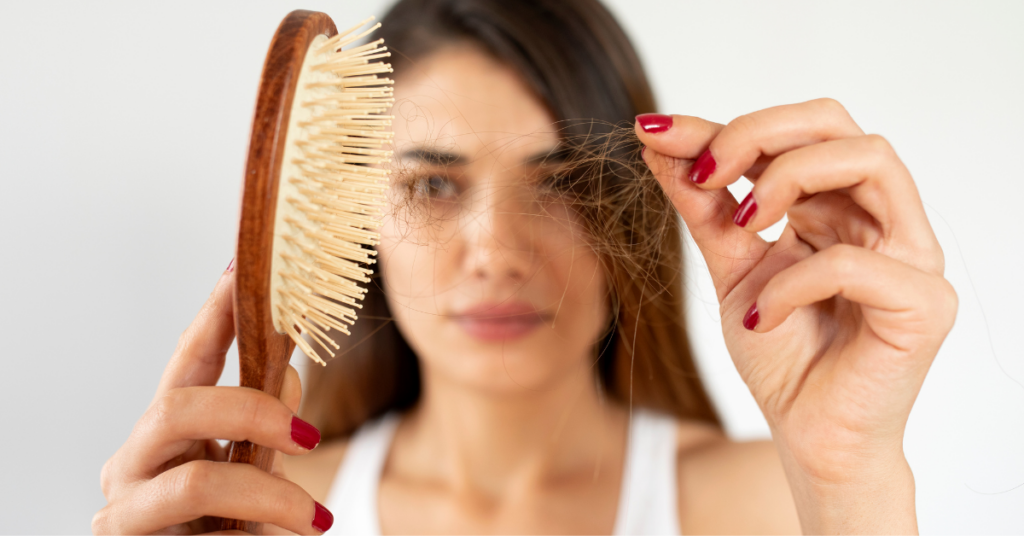
Hair loss is one of the most common problems faced by both men and women today. Losing a few strands of hair daily is normal, but excessive hair fall can affect confidence and overall appearance. Understanding the symptoms and causes of hair loss can help you take the right steps early and protect your hair health.
In this blog, we will explain hair loss symptoms, causes, and important things you should know in simple and easy English.
What is Hair Loss?
Hair loss, also called alopecia, happens when hair starts falling more than usual or stops growing properly. It can affect the scalp or the entire body. Some people experience temporary hair fall, while others may face permanent hair thinning or baldness.
Hair loss can happen slowly over time or suddenly, depending on the cause.
Common Symptoms of Hair Loss
Hair loss does not look the same for everyone. Some people notice thinning hair, while others may see bald patches or excessive shedding.
Here are the most common symptoms of hair loss:
1. Gradual Thinning on Top of the Head
This is the most common sign of hair loss. Hair slowly becomes thinner, especially near the crown or hairline.
- Men may notice a receding hairline.
- Women may notice widening of the hair partition.
2. Excessive Hair Fall
If you see large amounts of hair on your pillow, comb, bathroom floor, or while washing your hair, it could be a sign of hair loss.
Normally, losing 50–100 hairs daily is considered normal.
3. Patchy Bald Spots
Some people develop small circular or patchy bald areas on the scalp, beard, or eyebrows. These patches may feel itchy or painful before hair falls out.
4. Sudden Hair Shedding
Hair may start falling suddenly after:
- Stress
- Fever
- Surgery
- Weight loss
- Illness
- Childbirth
This type of hair loss is often temporary.
5. Weak and Thin Hair
Hair may become weak, dry, and break easily. You may notice reduced hair volume and less density over time.
Major Causes of Hair Loss
There are many reasons why hair fall happens. Identifying the cause is important for proper treatment.
1. Genetics (Hereditary Hair Loss)
Family history is one of the biggest causes of hair loss. This condition is commonly known as:
- Male pattern baldness
- Female pattern hair loss
It usually develops with age and progresses slowly.
2. Hormonal Changes
Hormonal imbalance can trigger hair fall in both men and women.
Common hormonal causes include:
- Pregnancy
- Childbirth
- Menopause
- Thyroid disorders
- PCOS (Polycystic Ovary Syndrome)
3. Stress and Lifestyle
Physical and emotional stress can affect the hair growth cycle.
Common stress-related factors include:
- Lack of sleep
- Anxiety
- Work pressure
- Poor eating habits
Managing stress can help reduce hair fall naturally.
4. Nutritional Deficiency
Hair needs proper nutrition to stay healthy. Deficiency of important nutrients can cause hair thinning.
Important nutrients for hair growth:
- Iron
- Protein
- Vitamin D
- Zinc
- Biotin
Poor diet and crash dieting can increase hair fall.
5. Scalp Infections and Dandruff
Scalp conditions can weaken hair roots and affect hair growth.
Common scalp problems include:
- Dandruff
- Fungal infections
- Psoriasis
- Scalp inflammation
Healthy scalp care is important for strong hair.
6. Medical Conditions
Certain health conditions may lead to hair loss.
Examples include:
- Thyroid disorders
- Autoimmune diseases
- Diabetes
- Anemia
Sometimes hair fall can be an early sign of an underlying health issue.
7. Hair Treatments and Styling Damage
Frequent chemical treatments and heat styling can damage hair.
Common damaging practices include:
- Hair coloring
- Straightening
- Rebonding
- Tight hairstyles
- Excessive heat tools
Over time, these can weaken hair roots and cause breakage.
8. Medications and Treatments
Some medicines can trigger hair loss as a side effect.
These may include medications for:
- Blood pressure
- Depression
- Cancer treatment
- Arthritis
Always consult a doctor before stopping any medication.
When Should You See a Hair Specialist?
You should consult a dermatologist or hair specialist if you notice:
- Sudden hair loss
- Bald patches
- Severe hair thinning
- Hair fall lasting for months
- Scalp itching or pain
Early diagnosis can help prevent further hair damage and improve treatment results.
Tips to Reduce Hair Loss Naturally
Here are some simple tips that may help control hair fall:
- Eat a balanced diet rich in protein and vitamins
- Manage stress through exercise or meditation
- Avoid harsh chemical treatments
- Use mild shampoos
- Sleep properly
- Stay hydrated
- Avoid tight hairstyles
Healthy habits can support stronger and healthier hair growth.
Conclusion
Hair loss can happen for many reasons, from genetics and hormonal changes to stress, poor nutrition, and certain medical conditions. While some hair fall is a normal part of the hair growth cycle, excessive shedding, thinning, or bald patches should not be ignored. Recognising the early symptoms and understanding the underlying causes can help you take the right steps before the problem worsens. Maintaining a healthy lifestyle, following a balanced diet, and exploring effective hair loss treatments can make a significant difference. If you’re experiencing persistent hair loss, consult the experienced dermatologists at Linaé – Skin, Hair & Aesthetic Clinic for an accurate diagnosis and personalised treatment plan, getting a professional evaluation from a hair specialist can help identify the cause and recommend the most suitable treatment to restore healthier, stronger hair. You can also learn more about hair transplant procedures, PRP therapy for hair loss, or tips for healthy hair growth to understand the treatment options available.