
Introduction
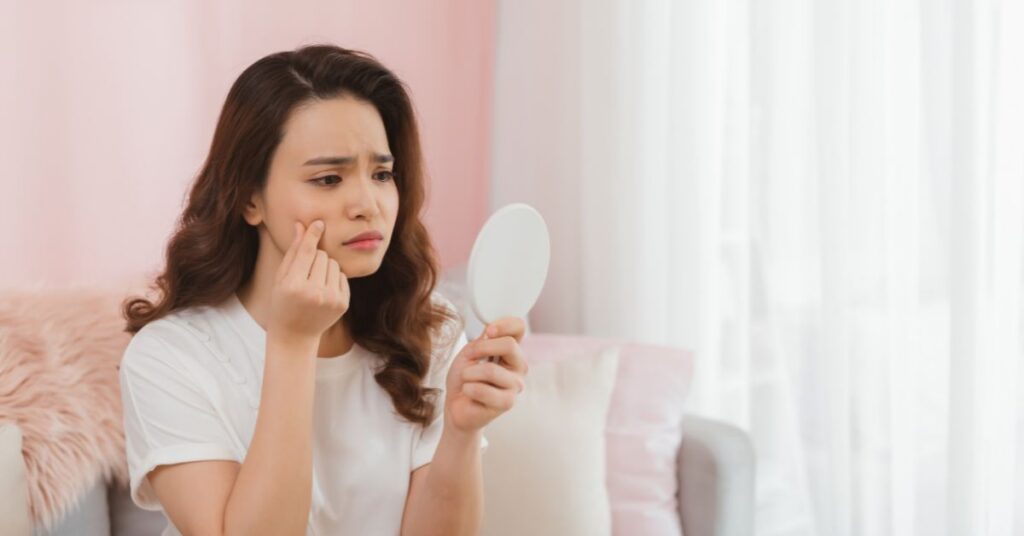
We live in a time where skincare has never been more advanced. From powerful sunscreens and moisturizers to retinol, serums, active ingredients, and dermatological procedures — we have access to everything needed for healthy, glowing skin.
Yet surprisingly, more people today are struggling with acne, pigmentation, premature aging, hair fall, dullness, and sensitive skin than ever before.
So, what’s going wrong?
The truth is, skincare alone cannot protect your skin from the damage caused by an unhealthy lifestyle. Modern habits like poor sleep, excessive screen time, stress, pollution, unhealthy food choices, and lack of physical activity are silently affecting skin health every single day.
Even the best skincare products cannot help much if your daily habits are harming your skin.
The Real Reason Behind Modern Skin Problems
Years ago, people followed very simple skincare routines. Most people did not use any skincare products. Still, people had stronger and healthier skin with fewer skin problems than we see today.
What changed?
Our lifestyle.
Modern living has introduced several factors that constantly damage the skin from within:
- Environmental pollution
- Irregular sleep schedules
- Chronic stress
- Excessive screen exposure
- Sedentary lifestyle
- Poor eating habits
- Lack of proper recovery and rest
These factors increase inflammation, oxidative stress and hormonal imbalance in the body — all of which eventually show up on the skin.
How Pollution Is Damaging Your Skin
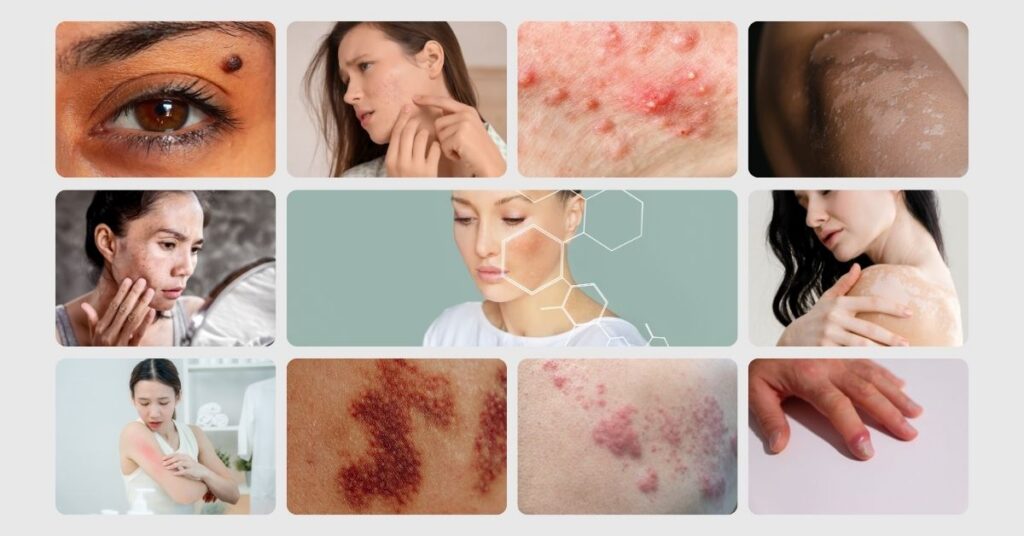
Most people understand how pollution affects the lungs, but very few realize how strongly it impacts the skin.
Pollution exposes the skin to free radicals that trigger oxidative stress. Over time, this damages the skin barrier and accelerates aging.

Common Skin Problems Caused by Pollution
- Pigmentation
- Uneven skin tone
- Premature aging
- Fine lines and wrinkles
- Dark spots
- Dullness
- Hair fall and scalp irritation
When dirt, sweat, oil, and pollution particles sit on the skin for long hours, the skin barrier becomes weak and inflamed.
How to Protect Your Skin From Pollution
Double Cleanse at Night
Removing sunscreen, dirt, and pollution properly at night is extremely important for maintaining healthy skin.
Moisturize Well
A healthy skin barrier protects the skin from environmental damage. Using a good moisturizer regularly helps maintain this barrier.
Never Skip Sunscreen
Sunscreen is one of the most important daily habits for preventing long-term skin damage.
Cover Your Skin Outdoors
Using scarves, helmets, sunglasses, or protective clothing can reduce direct exposure to pollution and sunlight.
Do You Really Need Sunscreen Indoors?
One of the biggest misconceptions people have is that sunscreen is only necessary outdoors.
In reality, UVA rays can pass through windows and glass. This means your skin is still exposed to sun damage even while sitting indoors near windows or working from home.
Why Indoor Sun Exposure Matters
UVA rays are known as “aging rays” because they contribute to:
- Premature aging
- Pigmentation
- Collagen breakdown
- Uneven skin texture
- Fine lines and wrinkles
This damage happens slowly over time, which is why many people do not notice it immediately.
People who spend long hours indoors near windows often develop tanning, pigmentation, and early aging signs without realizing the reason.
Why Reapplying Sunscreen Matters
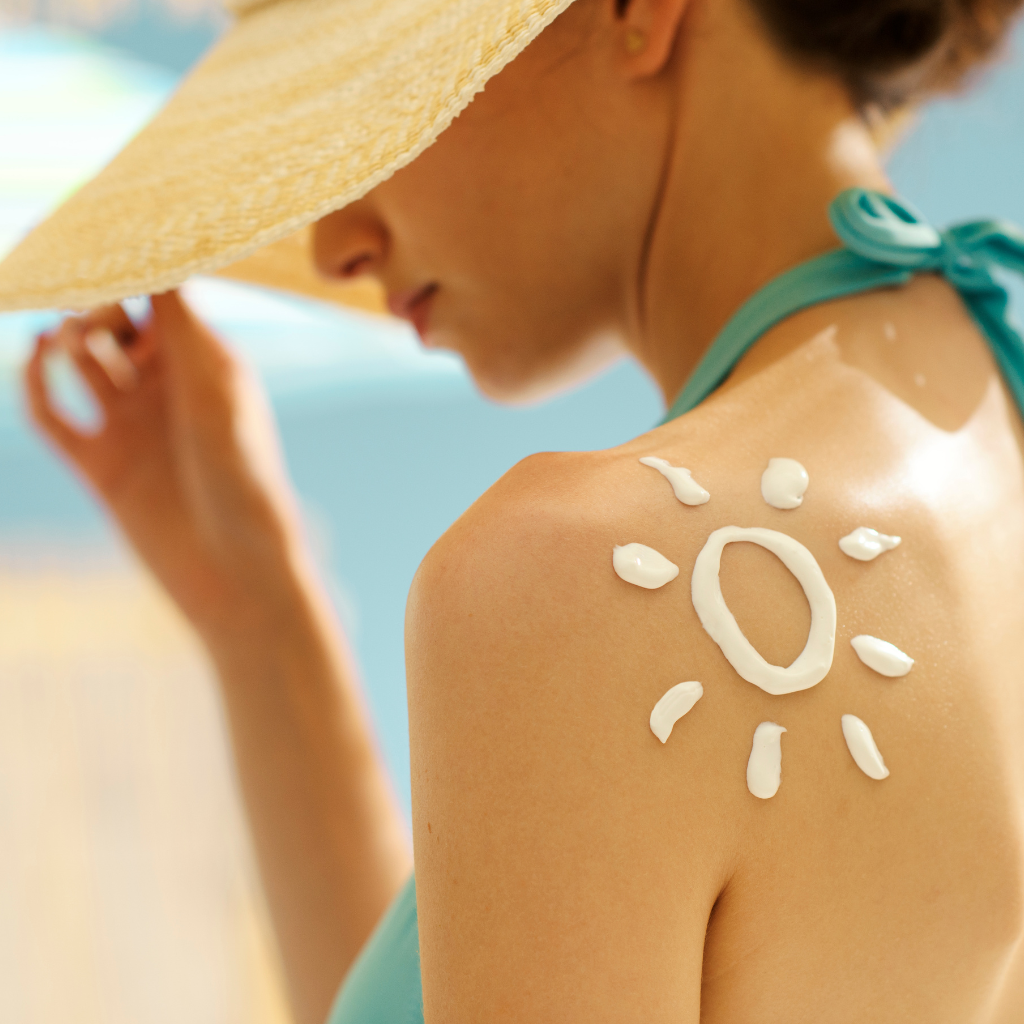
Applying sunscreen once in the morning is not enough.
Sweat, oil production, sunlight exposure, and daily activity reduce sunscreen effectiveness throughout the day.
Dermatologists Recommend:
- Applying enough sunscreen quantity
- Reapplying every 2–3 hours
- Using broad-spectrum sunscreen daily
- Wearing sunscreen even indoors
Consistent sunscreen usage is one of the simplest ways to protect your skin from long-term damage.
Is Blue Light From Phones and Laptops Affecting Your Skin?
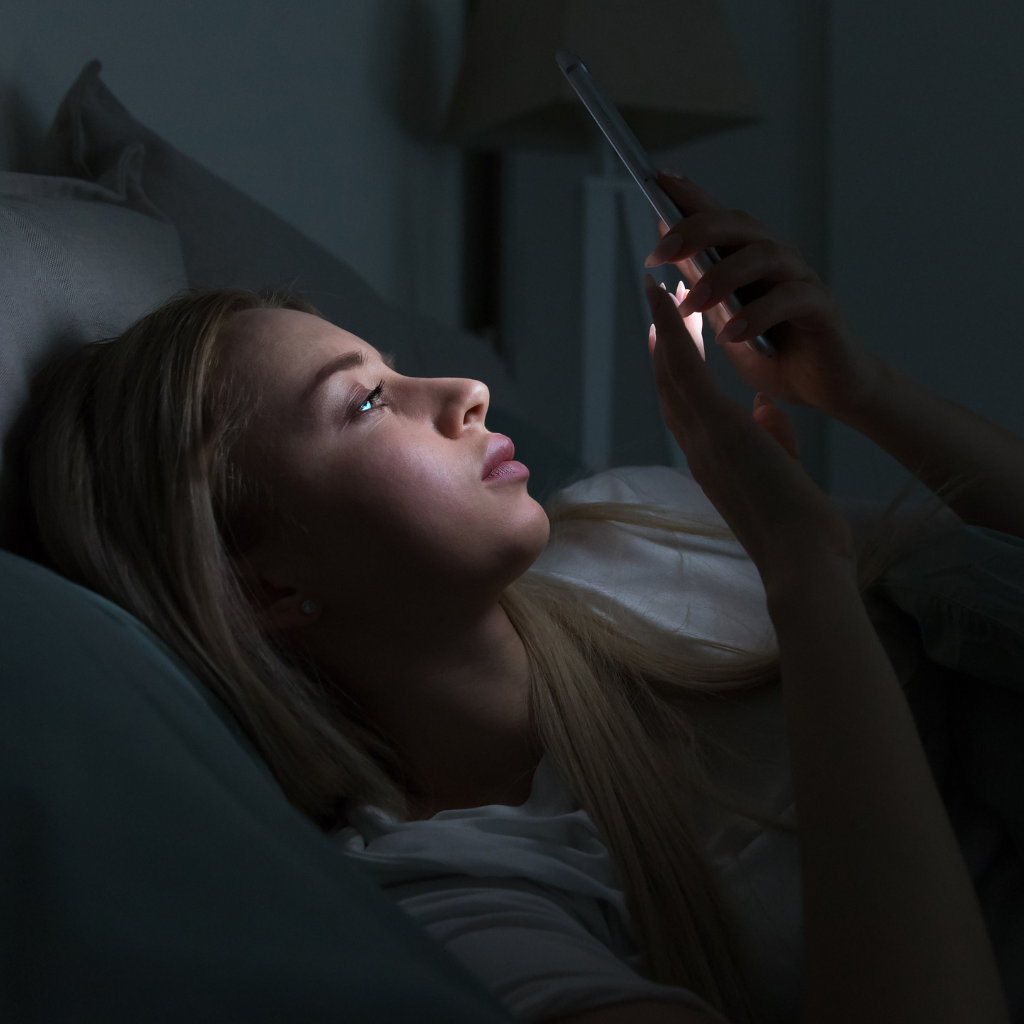
Screen time has become unavoidable today. Phones, laptops, televisions, and LED lighting constantly expose us to blue light.
Blue light itself is a specific wavelength emitted from electronic devices. Excessive exposure can affect sleep quality, hormone balance, and overall skin health.
How Blue Light Impacts Skin
Too much screen exposure can:
- Disturb melatonin production
- Reduce nighttime sleepiness
- Increase stress on the body
- Accelerate visible aging over time
For people who spend long hours working on screens, maintaining proper skincare and healthy sleep habits becomes even more important.
How to Protect Yourself
Use Tinted Sunscreen
Tinted sunscreens can help provide additional protection from blue light exposure.
Reduce Late-Night Screen Time
Avoiding excessive phone or laptop usage before sleep helps improve skin recovery and sleep quality.
The Importance of Beauty Sleep
“Beauty sleep” is not just a phrase — it is scientifically important for healthy skin.
During proper nighttime sleep, the body enters repair mode. This is when skin healing, cell repair, and recovery happen most effectively.

Why Sleeping Late Affects Skin
The body naturally produces melatonin during nighttime sleep while cortisol levels reduce.
When sleep timings become irregular or shift too late into the night:
- Skin repair slows down
- Stress hormone levels increase
- Inflammation rises
- Aging signs become more visible
Sleeping for 8 hours is helpful, but sleep quality and timing matter just as much.
Sleeping from 10 PM to 6 AM supports the body differently compared to sleeping from 2 AM to 10 AM.
How Stress Is Secretly Affecting Your Skin and Hair
Stress is one of the biggest hidden causes of skin concerns today.
Chronic stress increases cortisol levels in the body, which directly impacts both skin and hair health.

Effects of Chronic Stress
- Acne breakouts
- Excess oil production
- Dull skin
- Premature aging
- Under-eye hollows
- Hair fall
- Frizzy and weak hair
Many people focus only on skincare products while ignoring the internal stress affecting their skin daily.
Is Aging Really Genetic?
Many people believe that bad skin, hair fall, or premature aging are completely genetic.
While genetics do play a role, modern research shows that lifestyle and environment strongly influence how genes behave.
This means your daily habits can either accelerate aging or slow it down significantly.
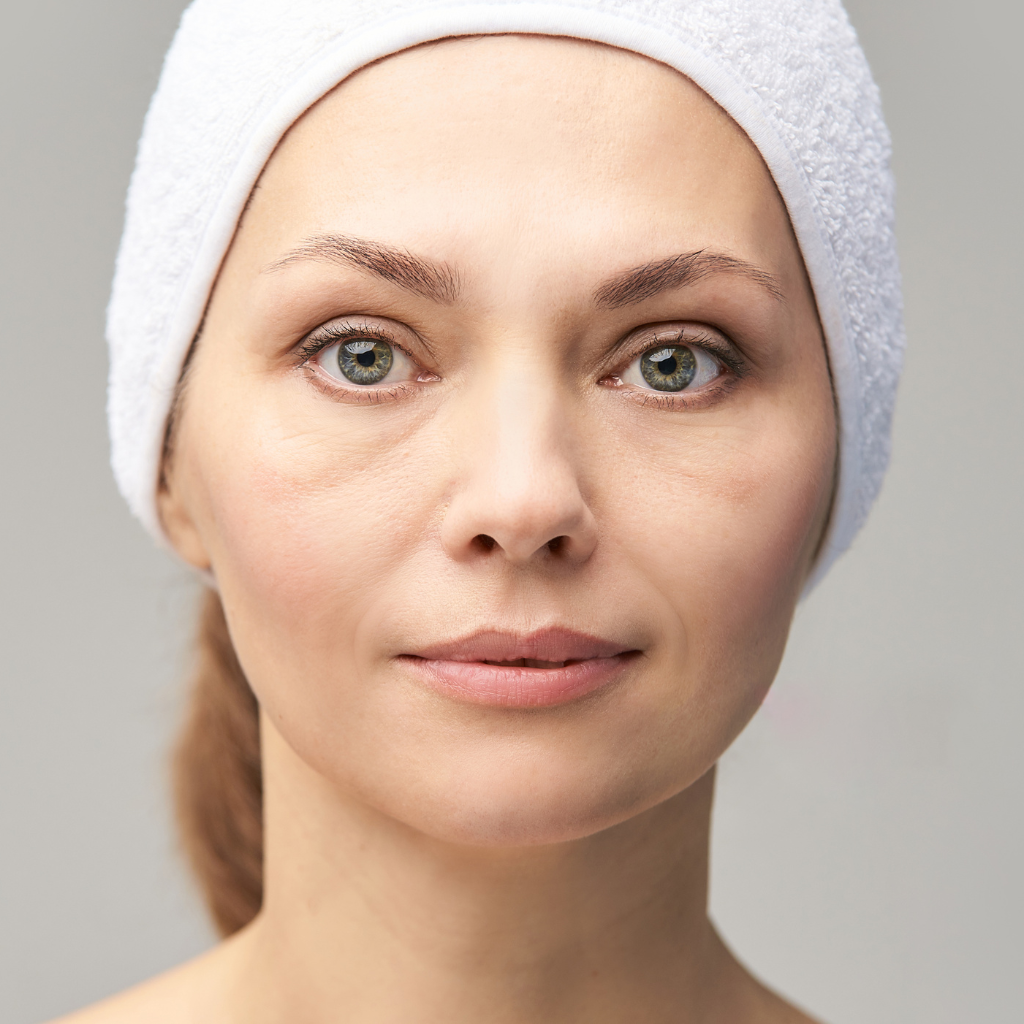
Lifestyle Habits That Influence Aging
Lack of Exercise
After the age of 30, the body naturally begins losing muscle mass. Without exercise and strength training, this contributes to sagging and aging.
Poor Nutrition
Low protein intake and unhealthy food choices reduce the body’s ability to repair and maintain healthy skin.
Smoking and Unhealthy Habits
Studies have shown that smoking can worsen hair density, skin aging, and overall appearance significantly.
Lifestyle choices often affect the skin far more than people realize.
Simple Lifestyle Changes for Better Skin
Healthy skin is not built only through products. It is created through consistent daily habits.
Follow These Skin-Healthy Habits
Protect Yourself From Pollution
Cleanse properly and maintain a healthy skin barrier.
Wear Sunscreen Every Day
Even indoors and during cloudy weather.
Sleep on Time
Aim for quality sleep before midnight whenever possible.
Manage Stress
Meditation, breathing exercises, and physical activity can help reduce cortisol levels.
Stay Physically Active
Exercise improves circulation, muscle health, and overall skin quality.
Eat a Balanced Diet
Proper nutrition supports collagen production, skin repair, and healthy aging.
Conclusion
Healthy skin is not just about expensive skincare products or complicated routines. Your daily lifestyle choices play a much bigger role than most people think.
Pollution, poor sleep, stress, excessive screen exposure, and unhealthy habits silently damage the skin over time — leading to acne, pigmentation, premature aging, and hair concerns.
The best results happen when skincare is combined with a healthy lifestyle, proper sleep, stress management and professional guidance.
At Linae Skin Care Clinic, a trusted skin care clinic in Hyderabad, experts like Dr. Praneeta Jain and Dr. Shravya Rimmalapudi emphasize that real skin transformation comes from balancing both skincare and lifestyle habits together.
Because glowing skin is not created overnight — it is built through consistency, healthy living, and the right care.