
Jubilee Hills, Hyderabad
Psoriasis Treatment
Advanced medical care to help control psoriasis symptoms, reduce flare-ups, and improve skin health with the guidance of expert dermatologists.
Road No. 70, Journalist Colony, Jubilee Hills — 500033
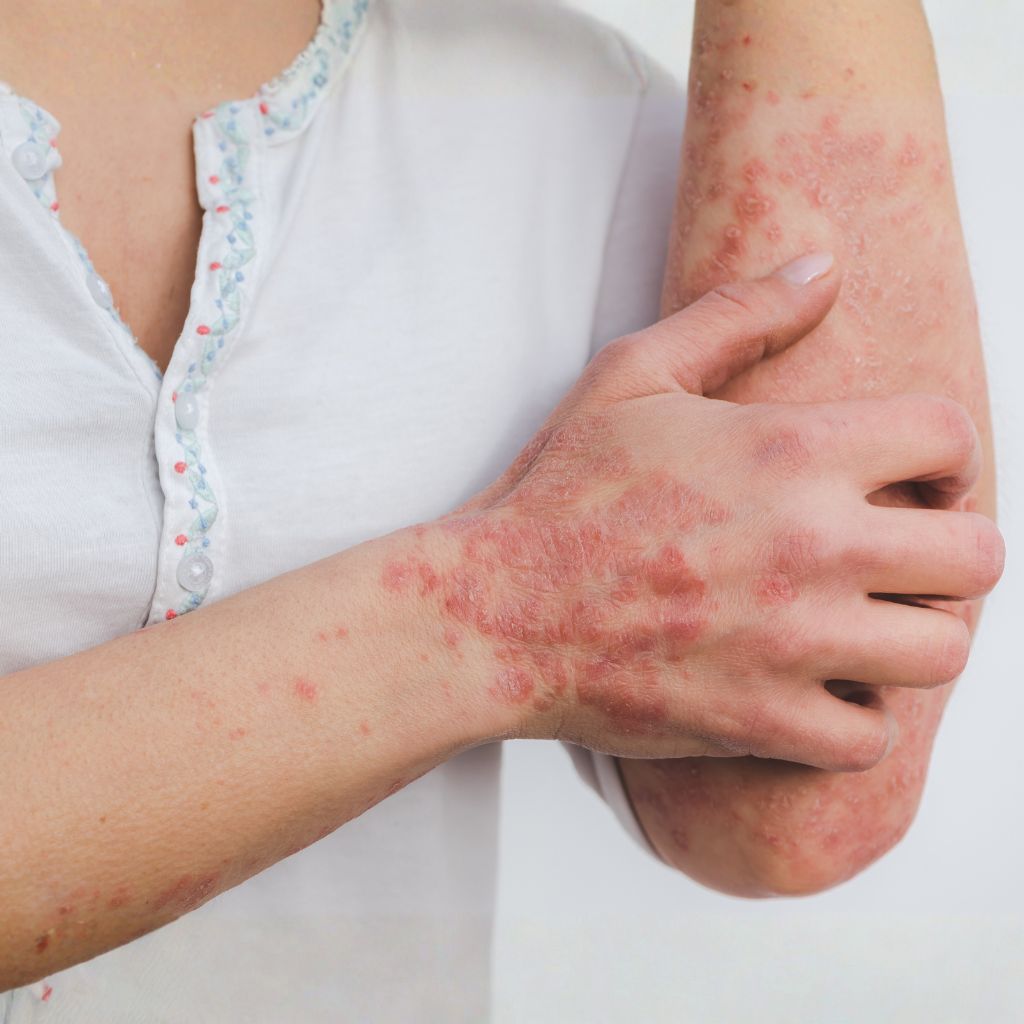
Understanding Psoriasis: Causes, Symptoms & Treatment
Red, itchy, scaly patches on the skin can be uncomfortable, painful, and difficult to manage. Psoriasis is a chronic autoimmune skin condition that causes rapid skin cell buildup, leading to thick, inflamed, and scaly patches on different parts of the body.
Psoriasis is not contagious, but it can significantly affect daily comfort, confidence, and quality of life. In some people, psoriasis may also affect the nails and joints, leading to conditions such as psoriatic arthritis.
At Linaé, our experienced dermatologists provide detailed evaluation and personalized psoriasis treatment plans based on the severity, type, affected areas, and associated symptoms. Our goal is to help control inflammation, reduce flare-ups, and support long-term skin health.
Treats & Improves
Plaque Psoriasis
Scalp Psoriasis
Psoriatic Arthritis
Nail Psoriasis
Chronic Skin Inflammation
Recognizing the Early Signs of Psoriasis
Psoriasis symptoms can vary from person to person. Early diagnosis helps manage the condition more effectively and may reduce long-term complications.
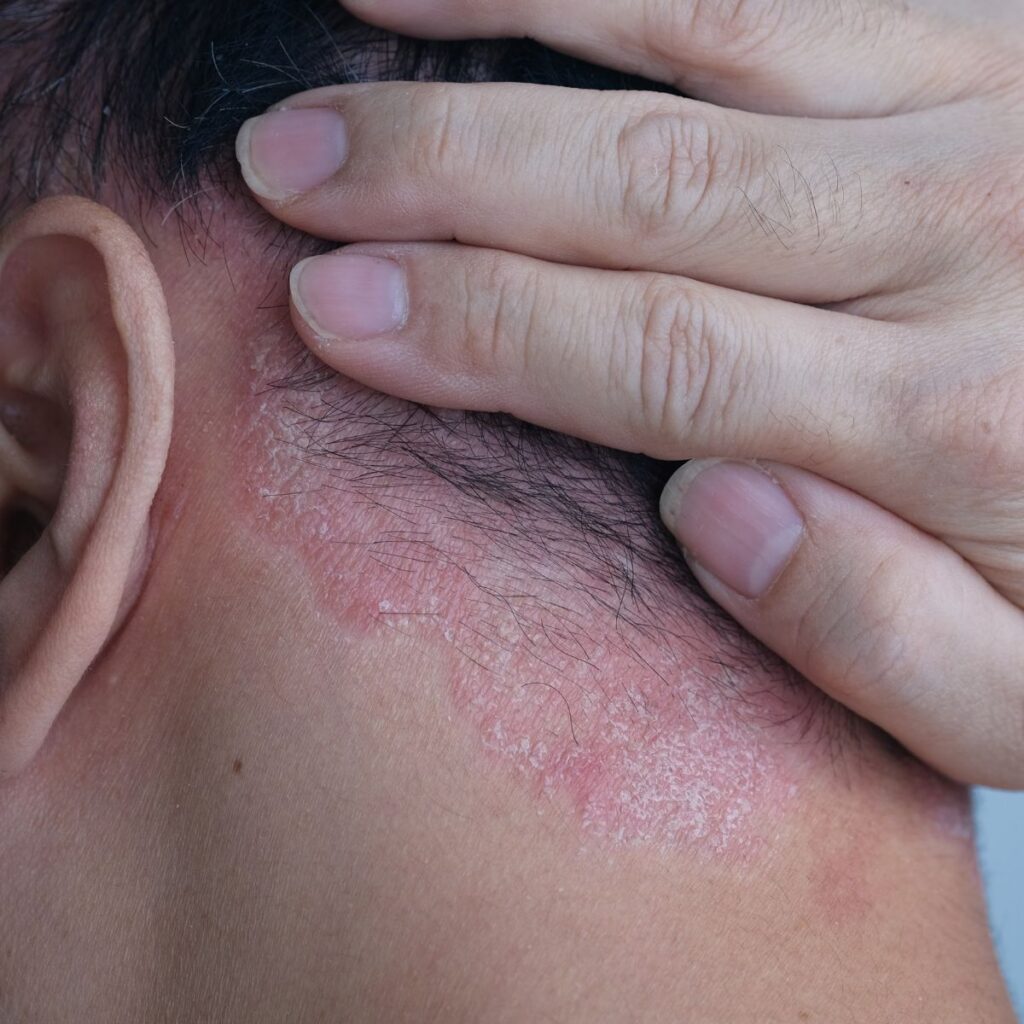
What is Psoriasis?
Psoriasis is a long-term inflammatory skin condition caused by an overactive immune response. Normally, skin cells renew gradually over several weeks. In psoriasis, this process speeds up dramatically, causing skin cells to accumulate on the surface.
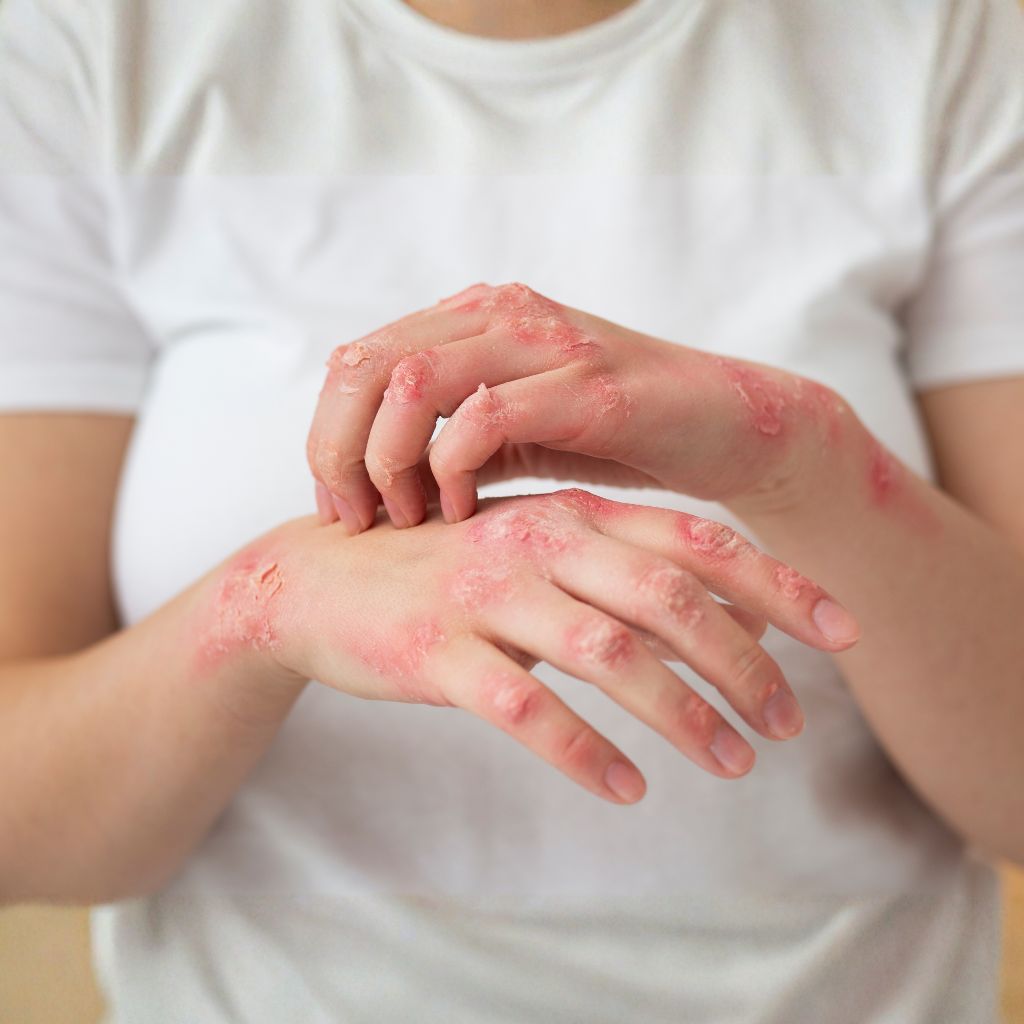
This buildup forms thick, red patches covered with silvery scales that may itch, crack, or bleed.
Psoriasis can affect people of any age and may involve different body areas including the scalp, face, hands, feet, nails, and genital region.
Although psoriasis is chronic, proper medical treatment can help manage symptoms and improve quality of life.
Common Signs and Symptoms of Psoriasis
Psoriasis symptoms may appear mildly in some individuals and severely in others. Common symptoms include:
Red Inflamed Patches
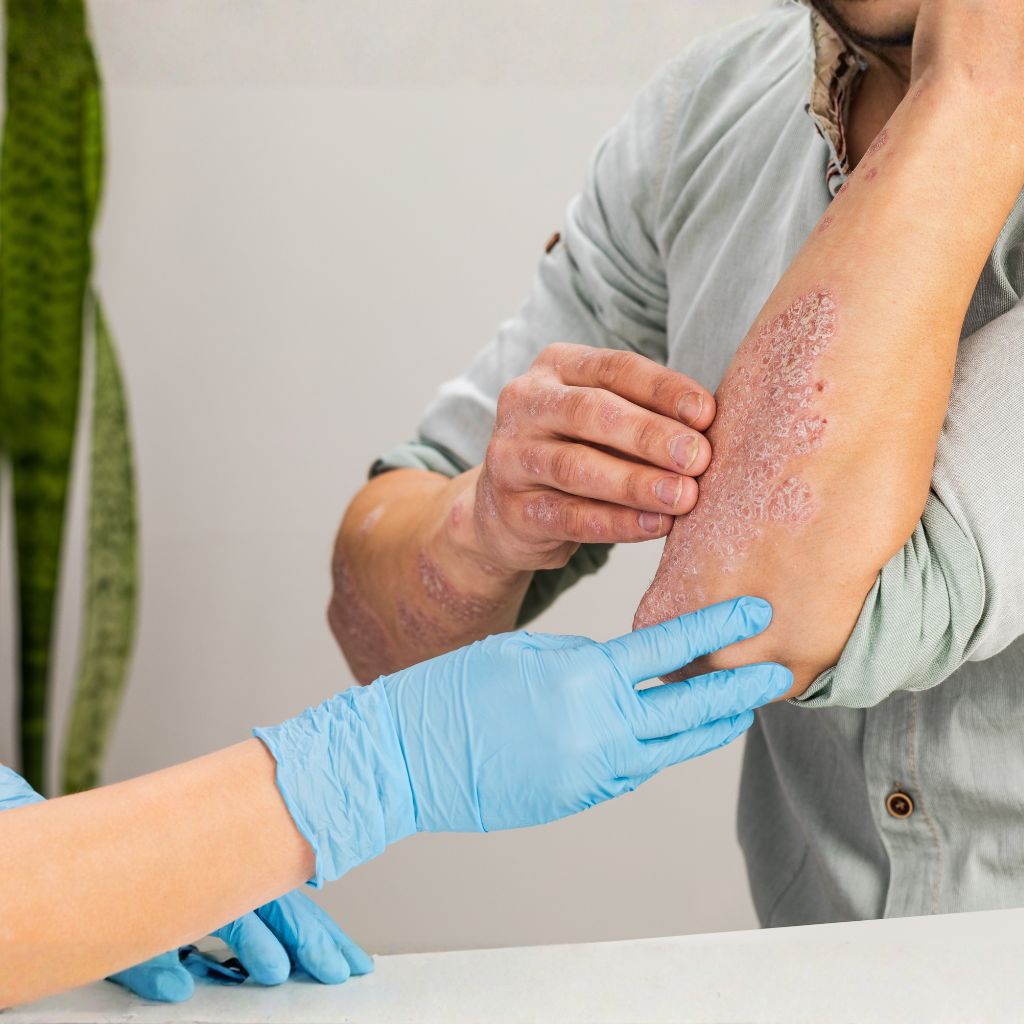
Raised red patches covered with thick silvery or white scales are one of the most common psoriasis symptoms.
Dry Cracked Skin
Affected skin may become dry, cracked, painful, or bleed.
Itching or Burning
Many patients experience itching, burning, irritation, or discomfort.
Thickened Nails
Psoriasis can affect nails, causing pitting, thickening, discoloration, or nail separation. This is known as psoriatic nail disease.
Joint Pain & Stiffness
Some people develop swollen, painful joints, which may indicate psoriasis and psoriatic arthritis.
If you notice persistent scaly patches or unexplained skin irritation, consult a dermatologist for accurate diagnosis.
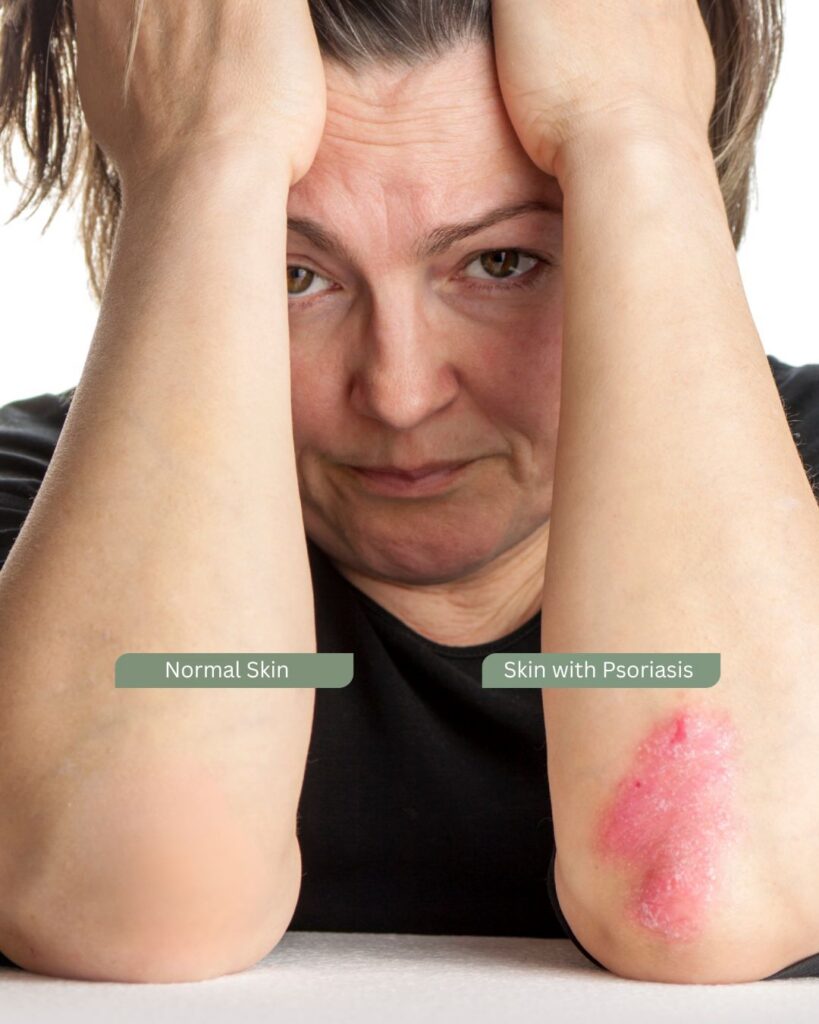
Types of Psoriasis
Understanding the type of psoriasis helps determine the most suitable treatment approach.
Plaque Psoriasis (Most Common)
Plaque psoriasis is the most common type of psoriasis. It appears as raised red patches covered with thick silvery scales, usually on the elbows, knees, scalp, and lower back. The affected skin may feel itchy, dry, painful, and can sometimes crack or bleed during flare-ups.
Inverse Psoriasis
Inverse psoriasis develops in skin folds such as the underarms, groin, under the breasts, and genital area. It usually appears as smooth, shiny red patches without thick scaling. Genital psoriasis often falls under this type and can cause irritation and discomfort.
Scalp Psoriasis
Scalp psoriasis affects the scalp and may cause thick scaly patches, redness, itching, and flaking. In some cases, scaling spreads beyond the hairline to the forehead or behind the ears. It is often mistaken for dandruff but usually causes more inflammation.
Pustular Psoriasis
Pustular psoriasis is a less common but severe type of psoriasis marked by pus-filled bumps surrounded by red, inflamed skin. The affected area may feel painful, tender, or burning. In severe cases, immediate medical evaluation may be needed.
Guttate Psoriasis
Guttate psoriasis appears as small red drop-shaped spots on the skin, commonly affecting the chest, back, arms, and legs. It is more common in children and young adults and may develop suddenly after infections such as strep throat.
Palmoplantar Psoriasis
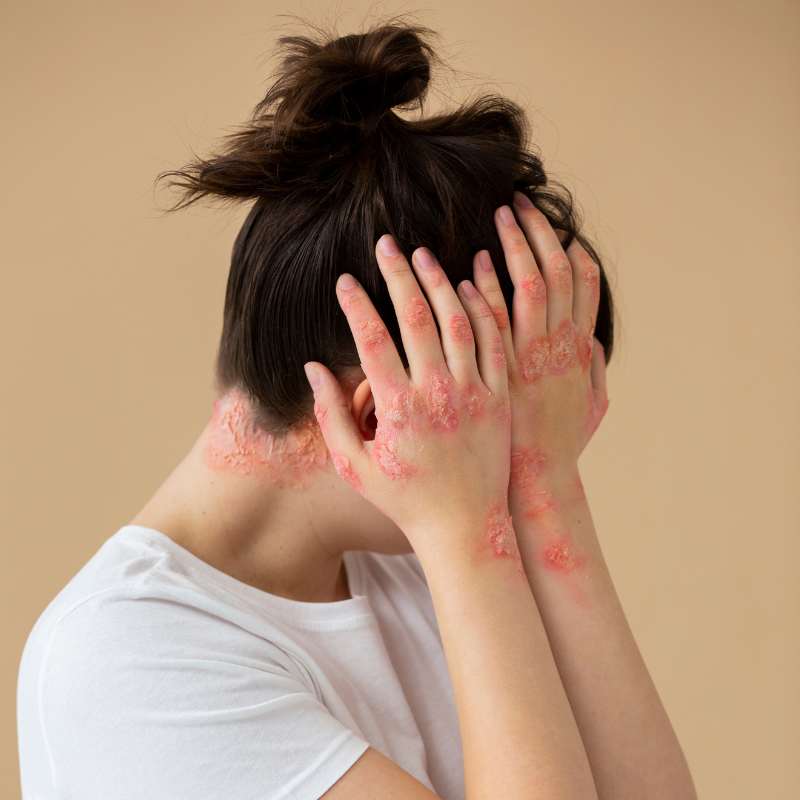
Palmoplantar psoriasis affects the palms and soles and is commonly seen as psoriasis on hands or psoriasis on feet. It causes thick, scaly skin, redness, and painful cracks that may make walking, working, or daily activities uncomfortable.
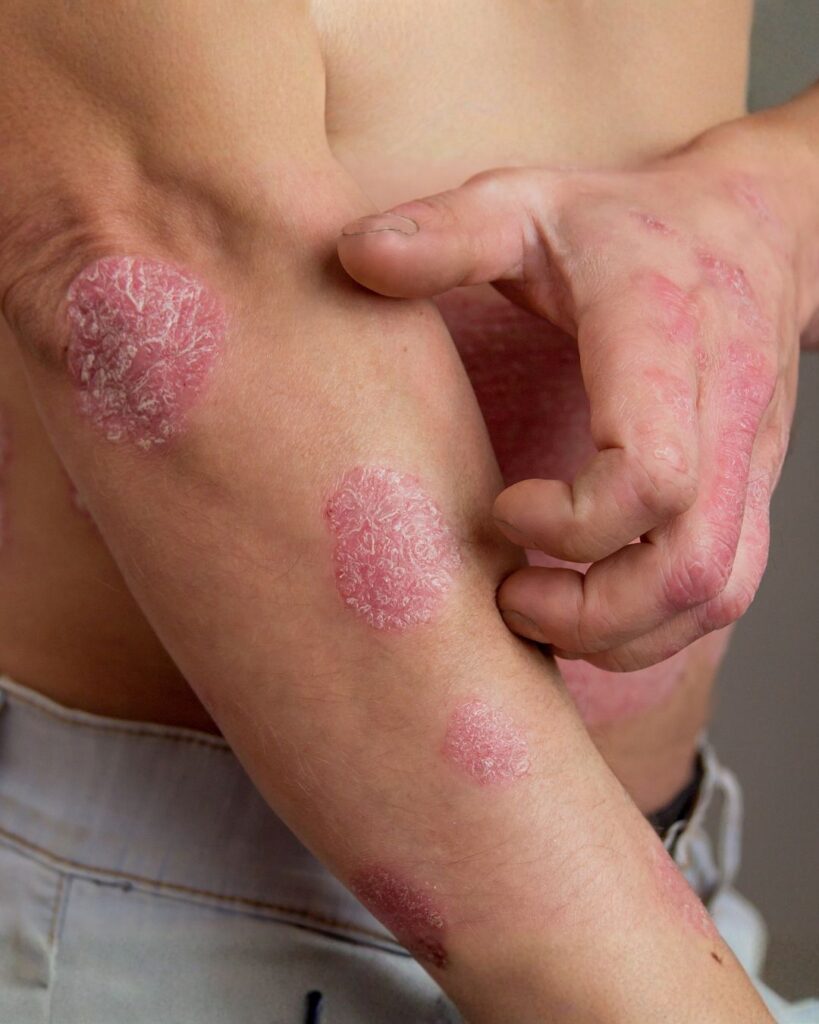
What Causes Psoriasis?
The exact cause of psoriasis is not fully understood, but several factors contribute to its development.
Immune System Dysfunction
Psoriasis develops when the immune system mistakenly attacks healthy skin cells.
Genetics
A family history of psoriasis increases risk.
Stress
Emotional stress can trigger flare-ups or worsen symptoms.
Infections
Certain infections may trigger psoriasis episodes.
Skin Injury
Cuts, burns, or friction may trigger lesions.
Lifestyle Factors
Smoking, alcohol, obesity, and poor sleep may worsen psoriasis.
The Linaé Approach
Why Early Treatment Matters
Early diagnosis and treatment can make psoriasis easier to manage.
Reduces Flare-Ups
Timely treatment helps reduce frequent flare episodes.
Protects Joint Health
Early management lowers the risk of developing severe psoriatic arthritis.
Prevents Progression
Helps control spread to other body areas.
Improves Quality of Life
Managing symptoms early reduces physical discomfort and emotional stress.
Psoriasis Treatment Options at Linaé
Every patient’s psoriasis journey is unique. Our dermatologists create personalized treatment plans based on symptoms, severity, and associated complications.
Topical Treatments
Medicated creams, ointments, lotions, and oral medications help reduce inflammation, itching, scaling, and excessive skin cell buildup. These treatments are often recommended for mild to moderate psoriasis and help manage flare-ups effectively.
Phototherapy
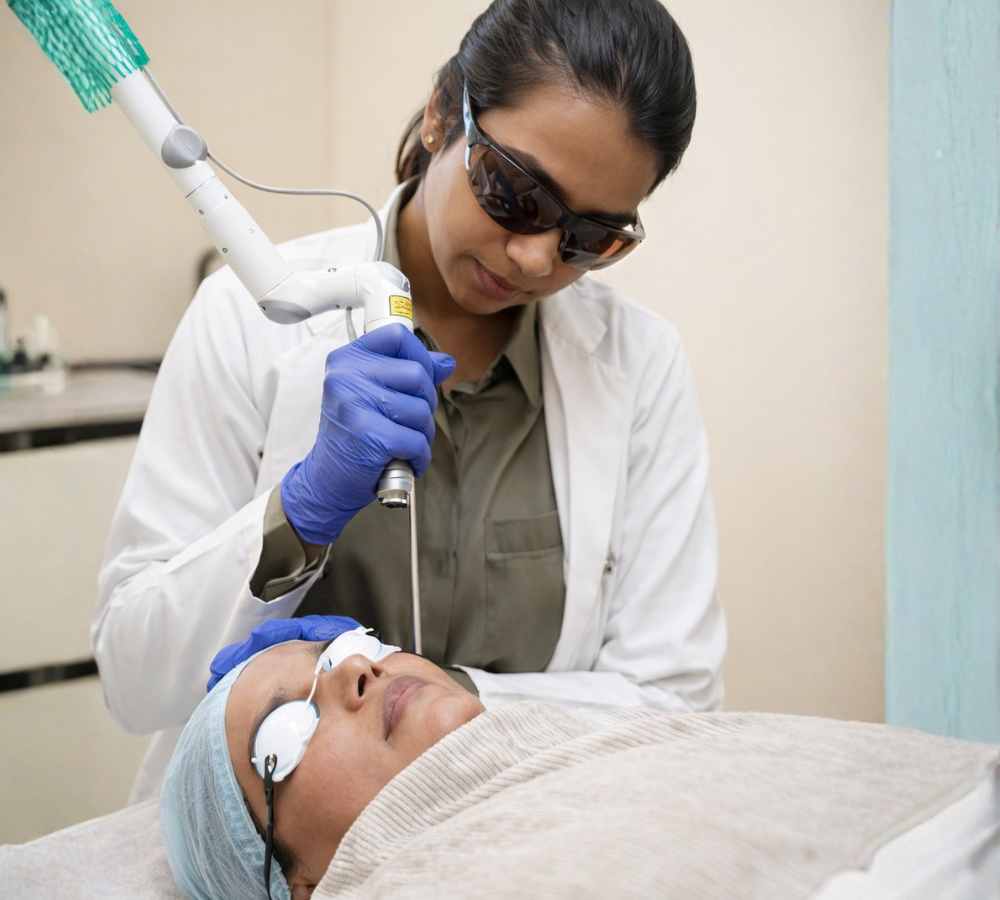
Phototherapy uses controlled ultraviolet light exposure to slow down rapid skin cell production and reduce inflammation. This treatment is often recommended for moderate to severe psoriasis or widespread skin involvement.
Targeted Advanced Care
For conditions such as scalp psoriasis, nail psoriasis, or psoriatic arthritis, our dermatologists provide targeted treatment approaches focused on symptom control, reducing inflammation, improving nail health, and supporting long-term joint function.
Our Personalized Psoriasis Care Process
Step 1: Comprehensive Consultation –Detailed discussion about symptoms, flare triggers, and medical history.
Step 2: Clinical Evaluation –Thorough skin and nail examination to identify psoriasis type and severity.
Step 3: Personalized Treatment Plan –Customized treatment based on your symptoms and goals.
Step 4: Progress Monitoring – Regular follow-ups to track results and make necessary adjustments.
Step 5: Long-Term Management – Maintenance care to reduce recurrence and improve long-term control.
Living with Psoriasis: You’re Not Alone
Vitiligo affects more than just skin pigmentation. Many individuals experience emotional challenges, social anxiety, or reduced self-confidence due to visible skin changes.
At Linaé, we understand these concerns. Our approach focuses not only on treatment but also on helping patients feel supported throughout their journey.
With the right guidance and treatment plan, many individuals successfully manage vitiligo and regain confidence in their appearance.

Our Personalized Psoriasis Care Process
Step 1: Comprehensive Consultation – A detailed discussion about your symptoms, medical history, and treatment goals.
Step 2: Clinical Evaluation –Thorough skin examination to assess the type and extent of Psoriasis.
Step 3: Personalized Treatment Plan – A customized treatment strategy designed specifically for your condition.
Step 4: Progress Monitoring –Regular follow-ups to track results and make necessary adjustments.
Step 5: Long-Term Management – Supportive maintenance care aimed at sustaining treatment outcomes.

Why shoose us
Why Choose Linaé for Psoriasis Treatment in Hyderabad?
Linaé is a dermatologist-led clinic focused on safe and result-driven skin treatments.
What makes us different:
- Led by experienced dermatologists
- Root-cause based diagnosis
- Advanced laser and medical technologies
- Personalised treatment plans for every skin type
- Focus on long-term skin health, not temporary results
We don’t just Skin issue — we treat the reason behind it.
The Team
Meet the dermatologists behind Linaé.
Expert, empathetic, and deeply invested in your skin health — our doctors bring clinical depth and aesthetic sensitivity to every consultation.

Dr. Shravya Rimmalapudi
Co-Founder & Consultant Dermatologist
MBBS · MD DVL
Clinical Dermatology
Laser Treatments
Vitiligo Surgery
Aesthetic Medicine
“If your skincare is not working, it’s not failing — your skin simply needs to be properly understood.”

Dr. Praneeta Jain
Co-Founder & Consultant Dermatologist
MBBS · MD · DNB DVL
Hair Restoration
Anti-Ageing
Dermatosurgery
Skin Rejuvenation
“Sometimes the treatment that works isn’t the most expensive one — it’s the right one, for the right person.”
Start Your Skin Health Journey Today
Clear skin is not about trying more products — it is about choosing the right diagnosis and treatment plan.
Questions Answered
Frequently
asked.
Psoriasis is a chronic skin condition that cannot be permanently cured. However, with the right treatment, it can be effectively managed to reduce flare-ups and keep symptoms under control.
The best treatment depends on the type and severity of psoriasis. At Linaé, our dermatologists create personalized treatment plans that may include topical medications, phototherapy, oral medications, or biologic therapies when required.
Treatment results vary from person to person. Many patients notice improvement within a few weeks, but long-term management and regular follow-ups are often needed to keep psoriasis under control.
Yes. Our dermatologists recommend safe, evidence-based treatments tailored to your skin type, medical history, and the severity of your psoriasis to achieve the best possible outcomes.
Find Us
Visit us in Jubilee Hills.
Address
Linaé – Skin, Hair and Aesthetic Clinic
1st & 2nd Floor, A-50, Journalist Colony
Road No. 70, Jubilee Hills
Hyderabad — 500033, Telangana
Mon – Sat: 10:00 AM – 7:00 PM
Sunday: Closed
Book a Consultation
Clinic Hours
Monday – Friday: 10:00 AM – 7:00 PM
Saturday: 10:00 AM – 7:00 PM
Sunday: Closed