Jubilee Hills, Hyderabad
Vitiligo Treatment
Advanced treatment options to help restore skin pigmentation, improve appearance and boost confidence with the care of expert dermatologists.
Road No. 70, Journalist Colony, Jubilee Hills — 500033
Understanding Vitiligo: Causes, Symptoms & Treatment
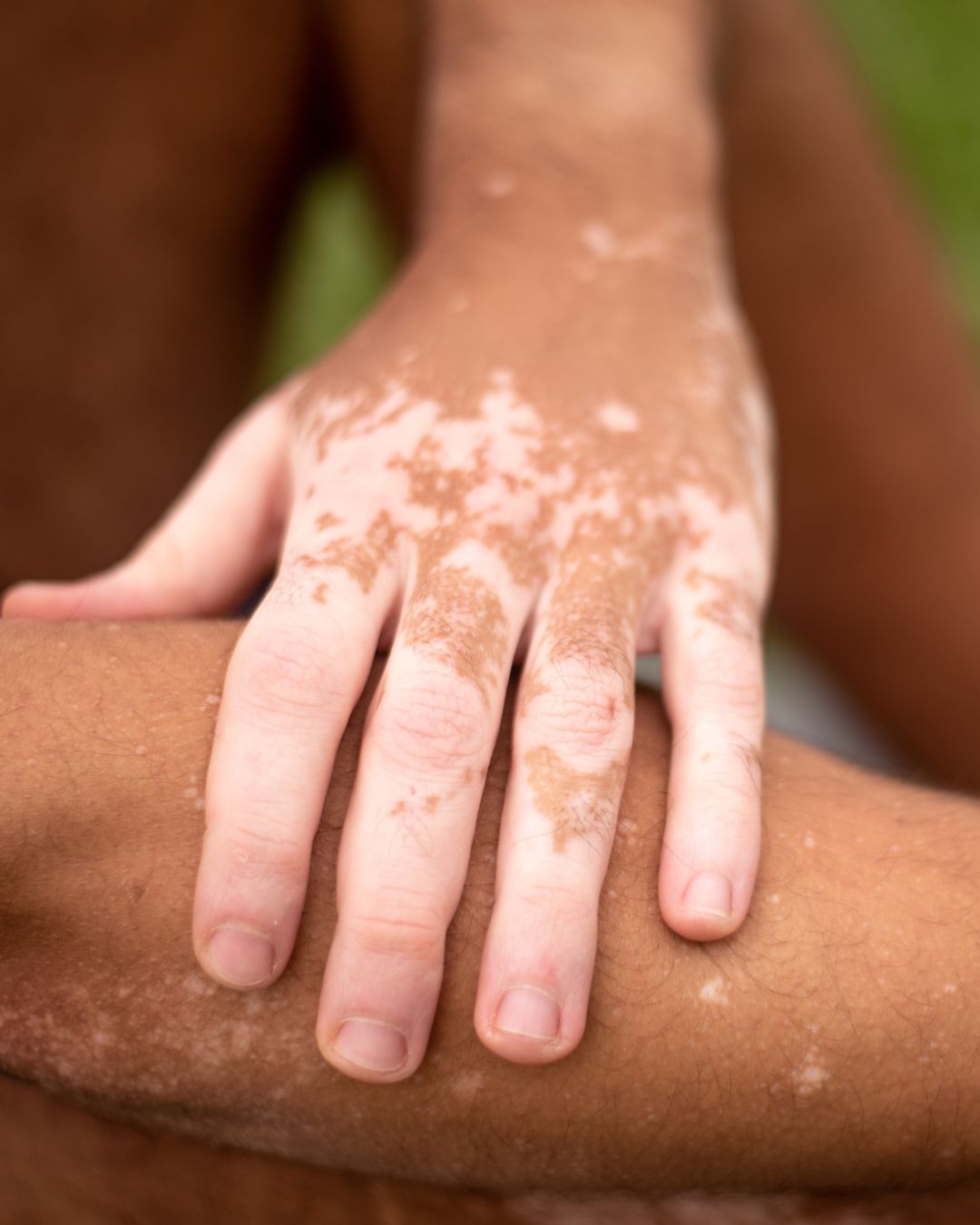
Noticing white patches on your skin can be concerning and often raises many questions. Vitiligo is a common skin condition that causes loss of pigmentation, leading to the appearance of white patches on different areas of the body. While vitiligo is not contagious or life-threatening, it can affect a person’s confidence and emotional well-being.
At Linaé, our experienced dermatologists provide comprehensive evaluation and personalized vitiligo treatment plans tailored to your skin type, condition severity, and treatment goals. Using evidence-based therapies and advanced dermatological care, we help patients manage vitiligo effectively and work toward restoring skin pigmentation wherever possible.
Treats & Improves
White Spot
Safed Dag / Kod
Leukoderma
Segmental Vitiligo
Acquired Leukomelanoderma
Recognizing the Early Signs of Vitiligo
Vitiligo can present differently in every individual. Recognizing the early signs can help you seek timely medical evaluation and begin treatment before the condition progresses further.
What is Vitiligo?
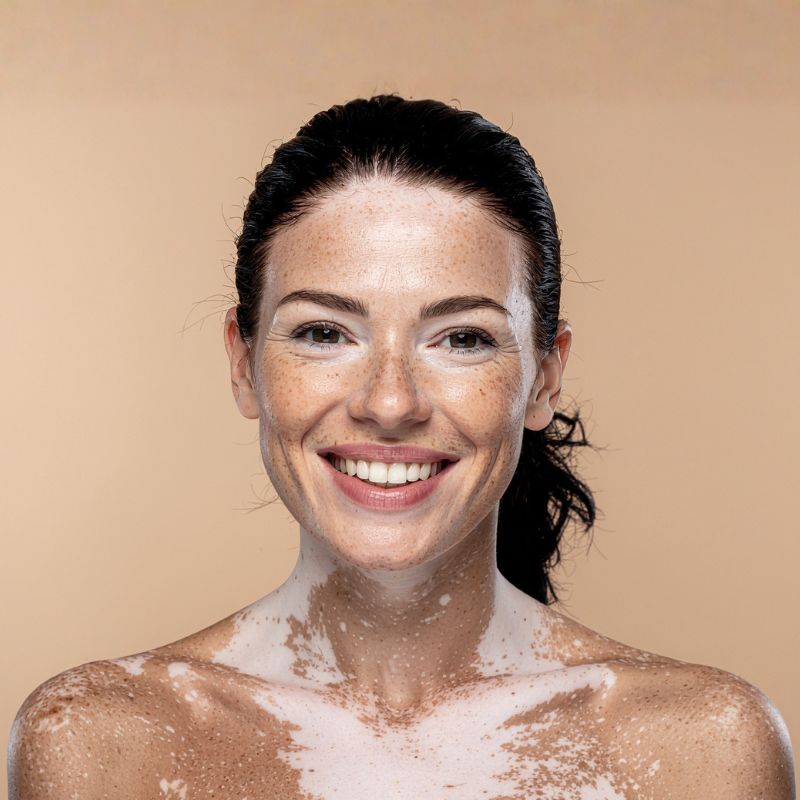
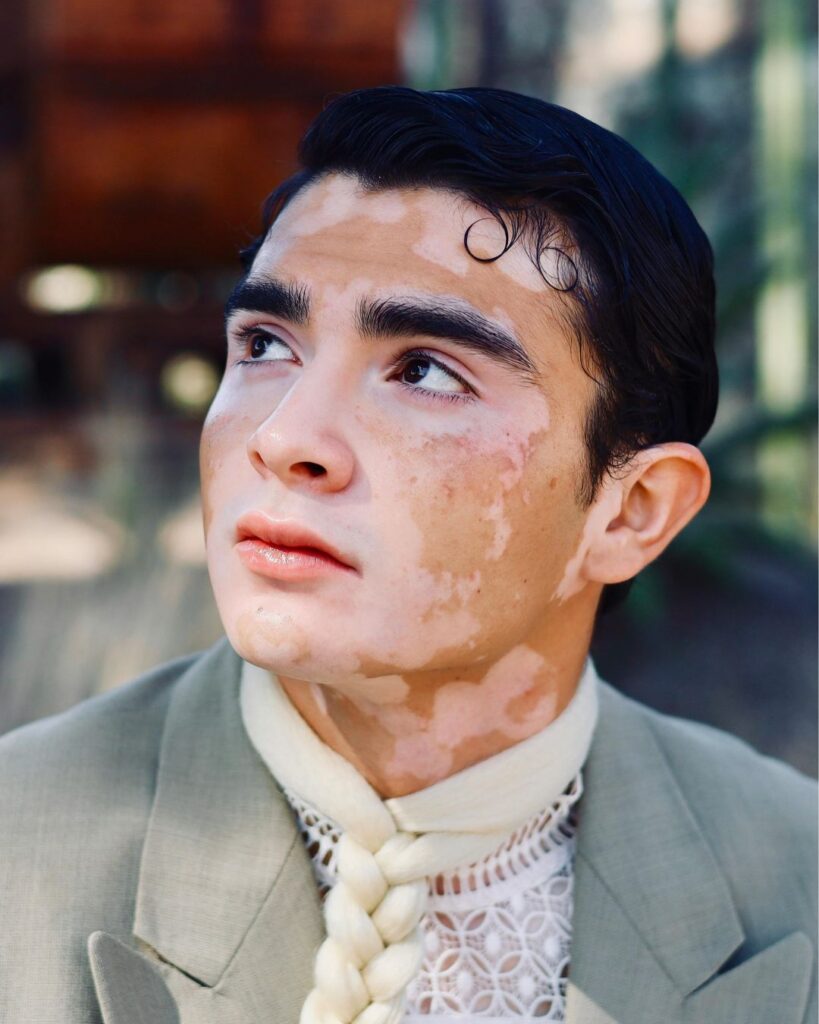
Vitiligo is a chronic skin condition in which the skin loses its natural pigment (melanin), resulting in white or lighter-colored patches. This happens when melanocytes, the cells responsible for producing skin pigment, stop functioning or are destroyed.
Vitiligo can affect people of any age, gender, or skin type. The condition may appear gradually or suddenly and can affect small areas or larger portions of the body.
Although vitiligo is not harmful to physical health, many individuals seek treatment to manage the condition and improve the appearance of affected skin.
Common Signs and Symptoms of Vitiligo
Vitiligo can present differently from person to person. Common symptoms include:
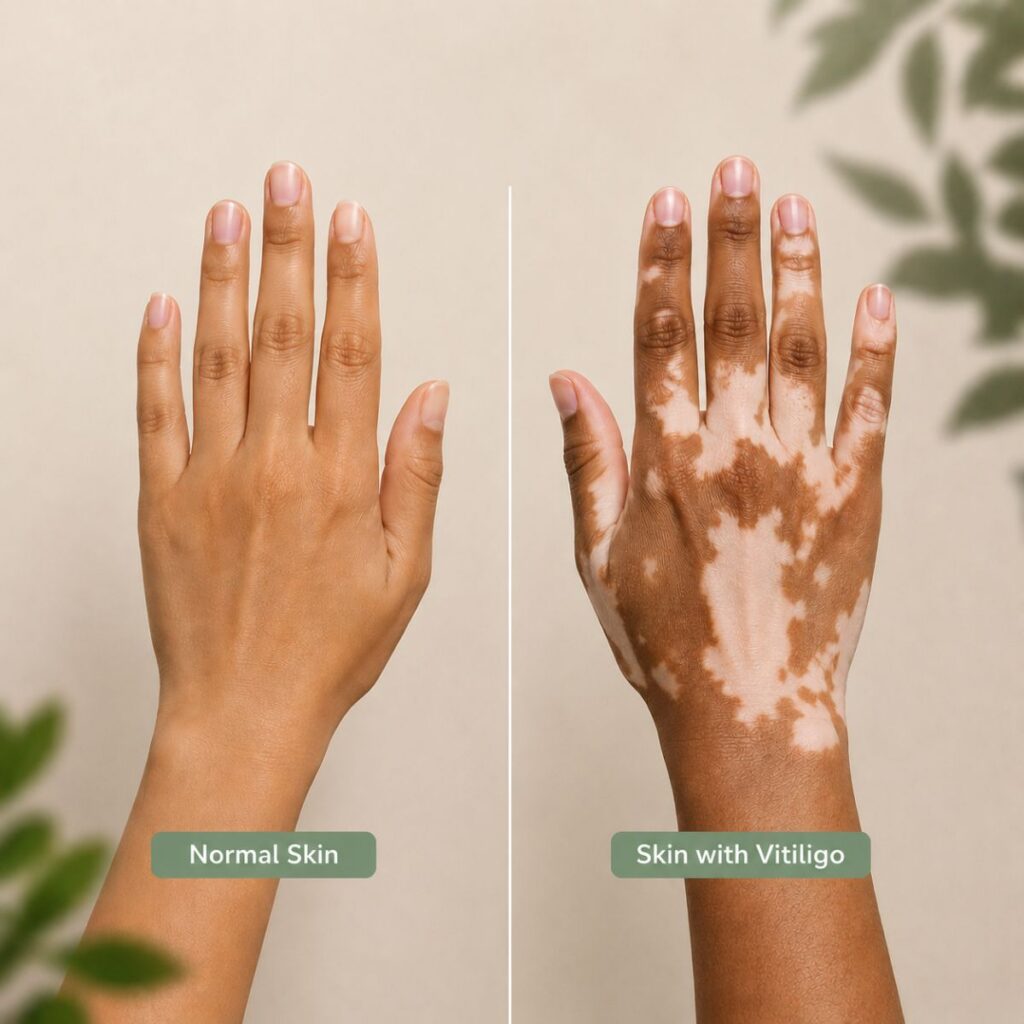
White Patches on the Skin – The most recognizable symptom is the appearance of white patches caused by loss of pigmentation.
- Premature Whitening of Hair – Hair on the scalp, eyebrows, eyelashes, beard, or affected skin areas may turn white or grey earlier than expected.
- Loss of Color Around Facial Features –Pigmentation loss may occur around the eyes, mouth, nose, and ears.
- Symmetrical Skin Changes – In many cases, white patches develop on both sides of the body.
- Progressive Expansion –Some patches remain stable, while others may gradually enlarge over time.
- Mucosal Involvement – Vitiligo can occasionally affect the lips and inner lining of the mouth.
If you notice any unexplained white patches on your skin, it is important to seek professional dermatological evaluation for accurate diagnosis.
Types of Vitiligo
Understanding the type of vitiligo is essential for selecting the most appropriate treatment approach.
1. Non-Segmental Vitiligo (Most Common)
Non-segmental vitiligo is the most common type of vitiligo, affecting nearly 90% of people with the condition. It causes white patches that usually appear on both sides of the body, such as the hands, feet, knees, or around the eyes. This type may gradually spread over time and can affect several areas of the skin.
2. Segmental Vitiligo
Segmental vitiligo is a less common type that usually affects only one side of the body. It is more often seen in children and young adults and may develop at an early age. This form of vitiligo typically spreads quickly during the first one to two years before becoming stable and remaining limited to a specific area.
3. Mixed & Unclassified Vitiligo
Mixed and unclassified vitiligo are less common forms of the condition. Mixed vitiligo occurs when a person shows features of both segmental and non-segmental vitiligo. Unclassified vitiligo includes cases that do not fit into a specific category. The pattern and spread of white patches can vary depending on the individual.
What Causes Vitiligo?
The exact cause of vitiligo is not completely understood. However, research suggests that several factors may contribute to its development.
Autoimmune Factors
The immune system may mistakenly attack pigment-producing cells.
Genetic Predisposition
Individuals with a family history of vitiligo may have a higher risk.
Oxidative Stress
Cellular damage caused by oxidative stress may contribute to pigment loss.
Environmental Triggers
Certain environmental factors may trigger or worsen the condition in susceptible individuals.
Emotional Stress
While stress does not directly cause vitiligo, it may influence disease progression in some patients.
Associated Autoimmune Conditions
Vitiligo can sometimes occur alongside autoimmune disorders such as thyroid disease.
The Linaé Approach
Why Early Treatment Matters
Vitiligo is often easier to manage when diagnosed early. Timely medical intervention may help:
Prevent Further Spread
Early intervention may help slow down or stabilize the progression of new patches.
Better Repigmentation Results
Treatment started at an early stage often has a higher chance of restoring lost pigmentation.
Personalized Treatment Planning
Identifying the type and stage of vitiligo helps create a more effective treatment strategy.
Improved Confidence & Well-Being
Addressing vitiligo early can help reduce emotional stress and improve quality of life.
Vitiligo Treatment Options at Linaé
Every patient’s vitiligo journey is unique. Our dermatologists develop personalized treatment plans based on the extent, location, duration, and progression of the condition.
Topical Treatments
Prescription medications may help stimulate pigment production and support repigmentation in affected areas. These treatments are often recommended for early-stage vitiligo or smaller patches and may be used alone or alongside other therapies.
Phototherapy
Phototherapy uses controlled ultraviolet light exposure to stimulate pigment-producing cells and encourage repigmentation. It is a well-established treatment option commonly recommended for patients with widespread or progressive vitiligo.
Excimer Laser Therapy
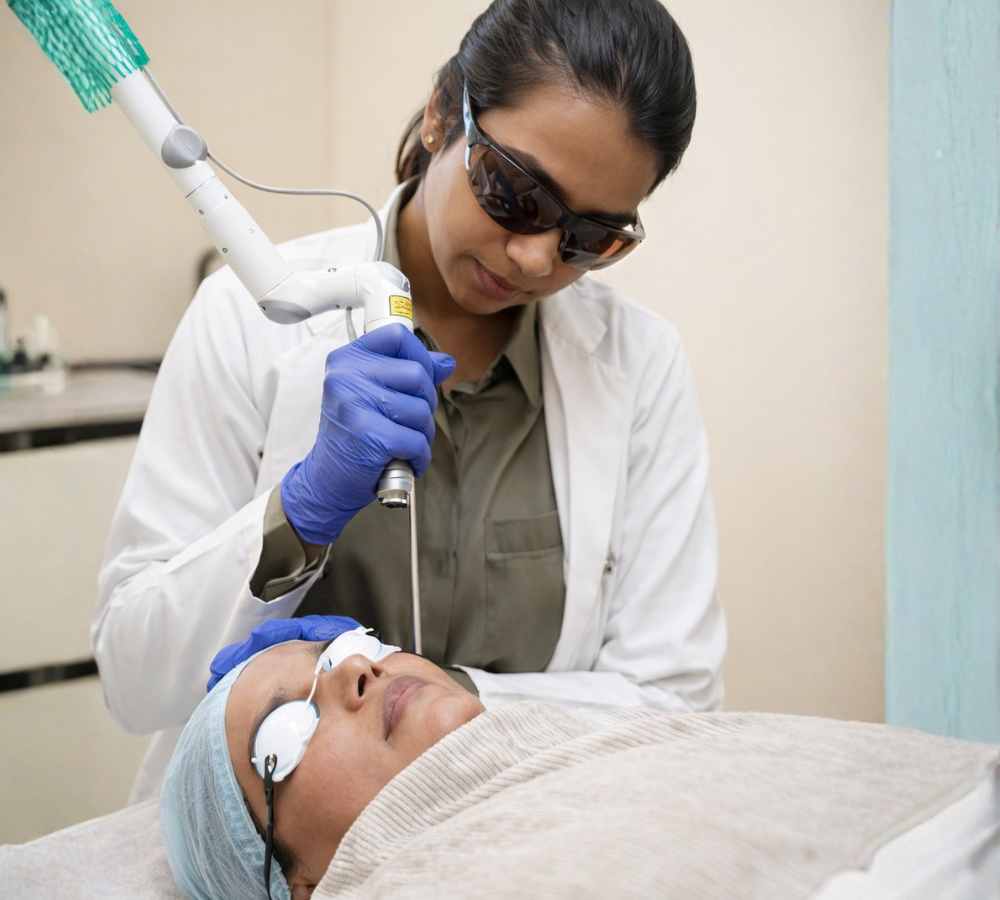
Excimer laser therapy delivers targeted light energy directly to vitiligo patches to promote repigmentation. This precise treatment approach is particularly beneficial for localized areas and helps focus treatment where it is needed most.
Our Personalized Vitiligo Care Process
Step 1: Comprehensive Consultation – A detailed discussion about your symptoms, medical history, and treatment goals.
Step 2: Clinical Evaluation – Thorough skin examination to assess the type and extent of vitiligo.
Step 3: Personalized Treatment Plan – A customized treatment strategy designed specifically for your condition.
Step 4: Progress Monitoring – Regular follow-ups to track results and make necessary adjustments.
Step 5: Long-Term Management – Supportive maintenance care aimed at sustaining treatment outcomes.

Living with Vitiligo: You're Not Alone
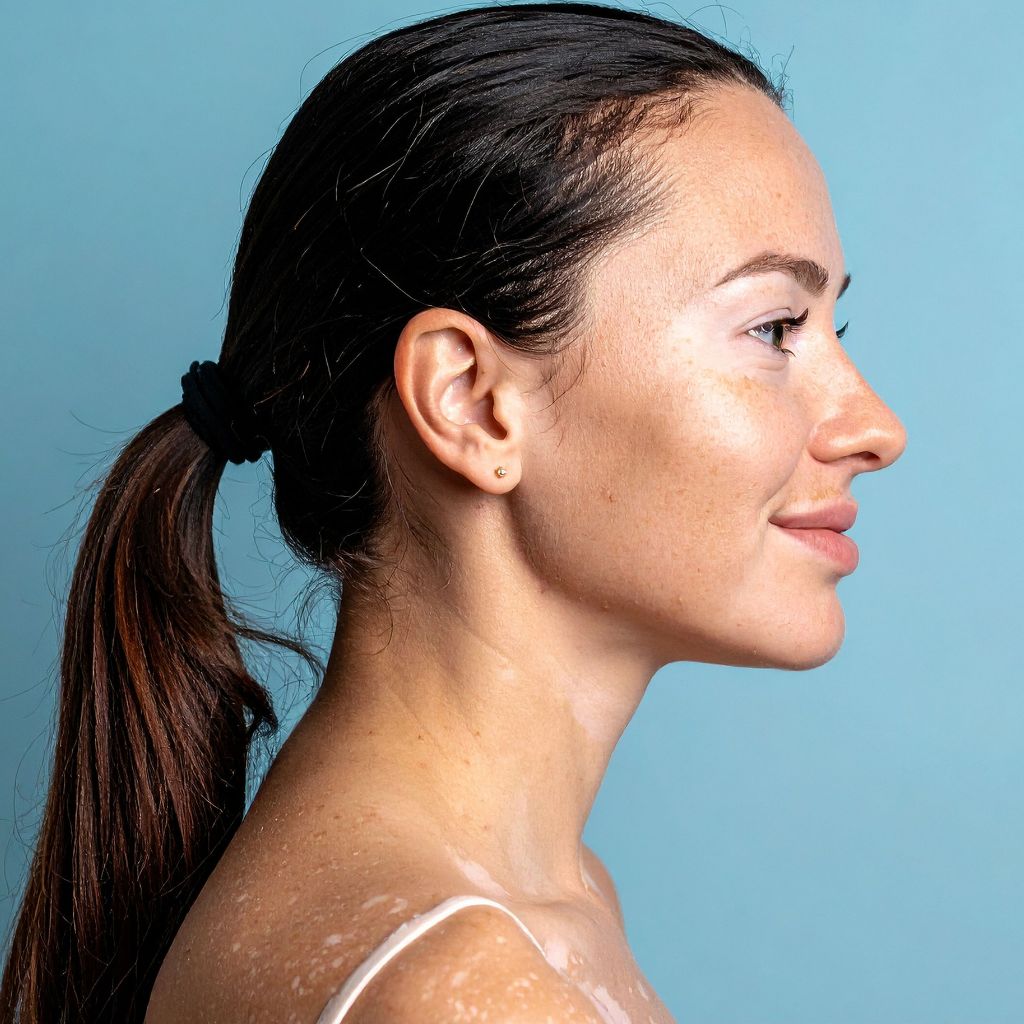
Vitiligo affects more than just skin pigmentation. Many individuals experience emotional challenges, social anxiety, or reduced self-confidence due to visible skin changes.
At Linaé, we understand these concerns. Our approach focuses not only on treatment but also on helping patients feel supported throughout their journey.
With the right guidance and treatment plan, many individuals successfully manage vitiligo and regain confidence in their appearance.


Our Personalized Vitiligo Care Process
Step 1: Comprehensive Consultation – A detailed discussion about your symptoms, medical history, and treatment goals.
Step 2: Clinical Evaluation –Thorough skin examination to assess the type and extent of vitiligo.
Step 3: Personalized Treatment Plan – A customized treatment strategy designed specifically for your condition.
Step 4: Progress Monitoring –Regular follow-ups to track results and make necessary adjustments.
Step 5: Long-Term Management – Supportive maintenance care aimed at sustaining treatment outcomes.

Why shoose us
Why Choose Linaé for Vitiligo Treatment in Hyderabad?
Linaé is a dermatologist-led clinic focused on safe and result-driven skin treatments.
What makes us different:
- Led by experienced dermatologists
- Root-cause based diagnosis
- Advanced laser and medical technologies
- Personalised treatment plans for every skin type
- Focus on long-term skin health, not temporary results
We don’t just Skin issue — we treat the reason behind it.
The Team
Meet the dermatologists behind Linaé.
Expert, empathetic, and deeply invested in your skin health — our doctors bring clinical depth and aesthetic sensitivity to every consultation.

Dr. Shravya Rimmalapudi
Co-Founder & Consultant Dermatologist
MBBS · MD DVL
Clinical Dermatology
Laser Treatments
Vitiligo Surgery
Aesthetic Medicine
“If your skincare is not working, it’s not failing — your skin simply needs to be properly understood.”

Dr. Praneeta Jain
Co-Founder & Consultant Dermatologist
MBBS · MD · DNB DVL
Hair Restoration
Anti-Ageing
Dermatosurgery
Skin Rejuvenation
“Sometimes the treatment that works isn’t the most expensive one — it’s the right one, for the right person.”
Start Your Skin Health Journey Today
Clear skin is not about trying more products — it is about choosing the right diagnosis and treatment plan.
Questions Answered
Frequently
asked.
Yes. Although vitiligo cannot always be permanently cured, modern treatments such as medications, phototherapy, and laser therapy can help restore pigmentation, slow disease progression, and improve the appearance of the skin.
Vitiligo treatment is personalized based on the extent and location of the patches. We offer advanced treatment options, including topical medications, phototherapy, excimer laser therapy, and surgical treatment for suitable candidates.
Yes. When supervised by a qualified dermatologist, treatments such as topical medications and phototherapy are generally safe and effective. Your treatment plan will be customized based on your skin type and condition.
It depends on the condition. Chronic skin diseases may require maintenance care.
Find Us
Visit us in Jubilee Hills.
Address
Linaé – Skin, Hair and Aesthetic Clinic
1st & 2nd Floor, A-50, Journalist Colony
Road No. 70, Jubilee Hills
Hyderabad — 500033, Telangana
Mon – Sat: 10:00 AM – 7:00 PM
Sunday: Closed
Book a Consultation
Clinic Hours
Monday – Friday: 10:00 AM – 7:00 PM
Saturday: 10:00 AM – 7:00 PM
Sunday: Closed