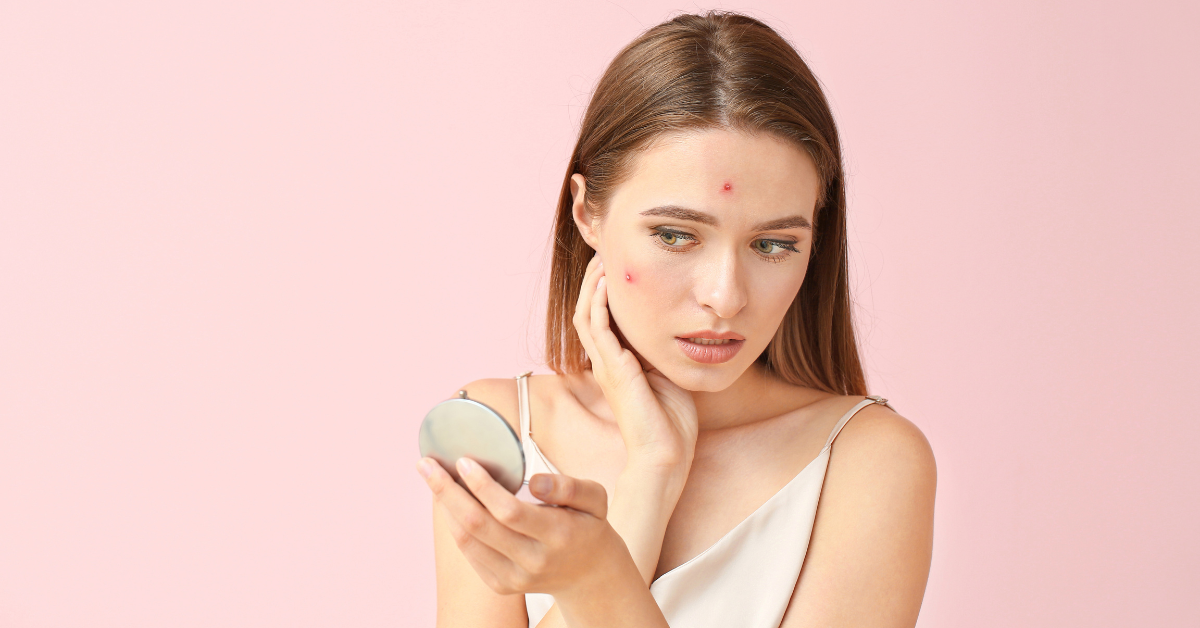
Acne is one of the most common skin concerns, yet one of the most misunderstood. For many, it starts as a few small bumps and slowly turns into painful breakouts, marks and even long-term scars. What makes it more frustrating is the endless advice, home remedies, trending products and social media “hacks” that often do more harm than good.
At Linaé – Skin, Hair & Aesthetic Clinic, we often see patients who have tried everything but still struggle with acne. The truth is simple, acne is not just a surface-level issue. It is a reflection of what’s happening inside your skin and sometimes even inside your body.
Let’s understand acne the right way, so you can treat it effectively, not just temporarily.
Understanding Acne: What’s Really Happening in Your Skin
Acne doesn’t appear overnight. It develops through a process happening beneath your skin.
Your skin contains oil glands called sebaceous glands, which produce natural oil (sebum). This oil is essential for keeping your skin healthy. However, when these glands become overactive, problems begin.
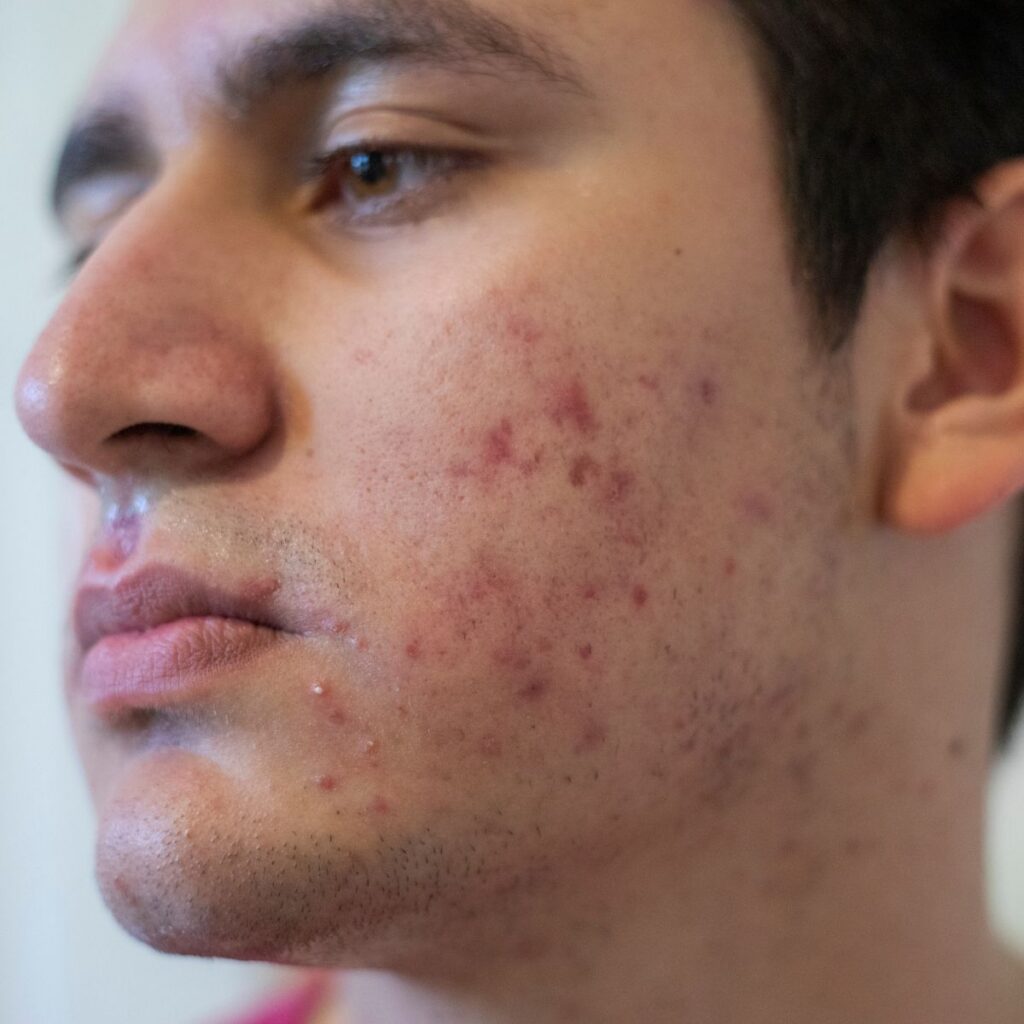
Excess oil combines with dead skin cells and blocks your pores. This blockage can either stay closed, forming whiteheads, or open up and oxidize, forming blackheads. When bacteria grow in these clogged pores, inflammation begins—this is when you see red, painful pimples.
This is why acne is not just “a pimple”—it is a multi-stage skin condition that needs proper understanding and treatment.
Acne Isn’t Just Pimples: Early Signs You Shouldn’t Ignore
Many people wait until acne becomes severe before taking action. But acne actually starts much earlier.
It often begins with oily skin, followed by small whiteheads or blackheads. These are early signs that your skin is struggling. If ignored, they can progress into inflamed acne, painful cysts, and eventually leave behind stubborn marks or scars.
Recognizing acne early can save your skin from long-term damage.
Why Do You Get Acne?
One of the biggest myths about acne is that it has a single cause. In reality, acne is influenced by multiple factors working together.
Hormonal changes play a major role, especially during teenage years, menstrual cycles, or conditions like PCOS. Increased oil production, genetic predisposition, and even stress can trigger breakouts.
Interestingly, scalp health is often overlooked. Issues like dandruff or an oily scalp can directly lead to forehead acne. Even habits like wearing tight caps, not washing hair regularly, or constantly touching your face can contribute.
Another common trigger is the use of unsuitable skincare or makeup products. Using too many products or layering heavy formulations can clog pores and worsen acne.
The Truth About Acne Myths
There’s a lot of misinformation around acne, and believing these myths can delay proper treatment.
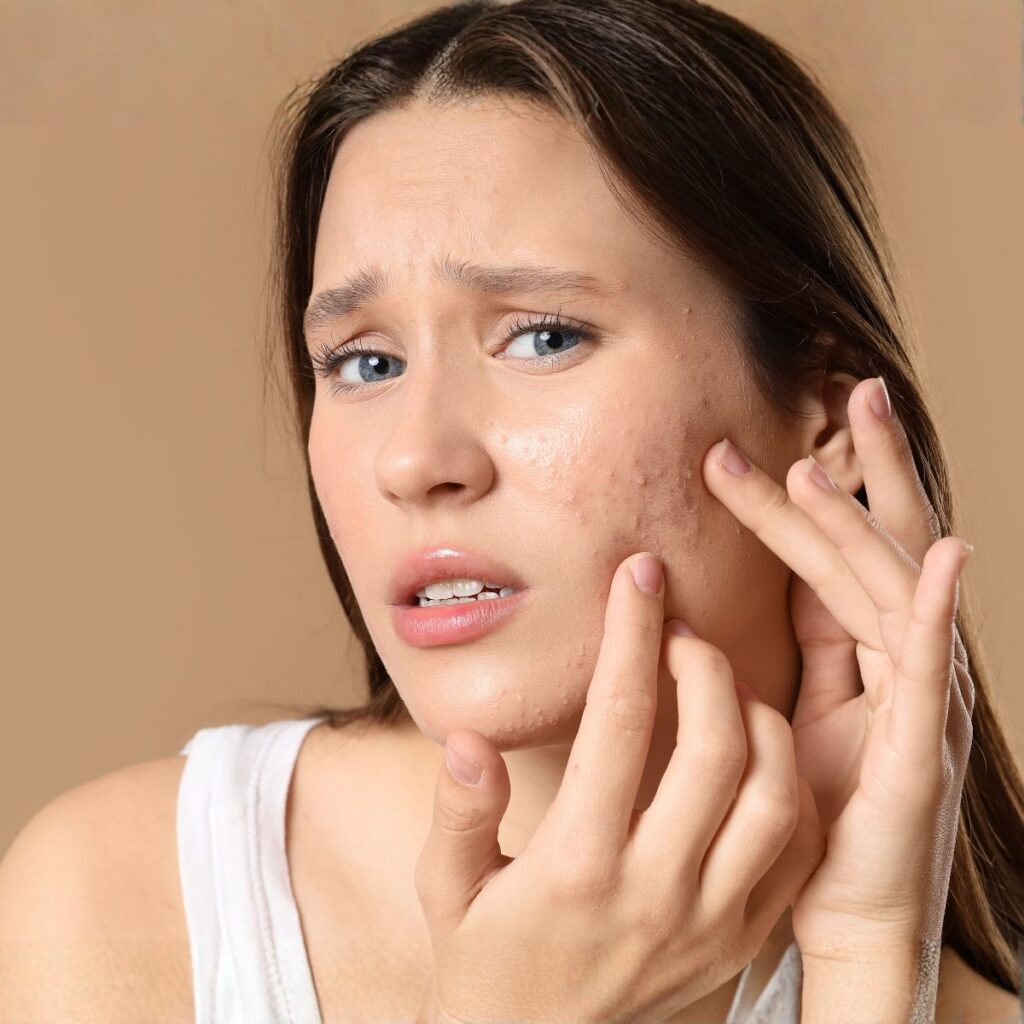
Many people think acne is just a normal part of growing up and will go away on its own. While mild acne can resolve, untreated acne often leaves behind scars that are much harder to treat later.
Another popular myth is acne mapping—where people associate breakouts on specific areas with internal organ problems. Scientifically, there’s no direct evidence supporting this.
And perhaps the most common misconception—“just apply a cream and it will go away.” Acne treatment is never that simple. It requires a combination of skincare, lifestyle changes, and sometimes medical intervention.
When Should You See a Dermatologist?
A lot of people delay visiting a dermatologist, hoping acne will settle on its own. But timing matters.
If your acne is persistent, painful, leaving marks, or suddenly worsening, it’s time to seek expert help. Similarly, if you notice breakouts around your jawline or neck, or acne that flares before every period, it could be hormonal and needs proper evaluation.
Early consultation not only helps control acne faster but also prevents long-term scarring.
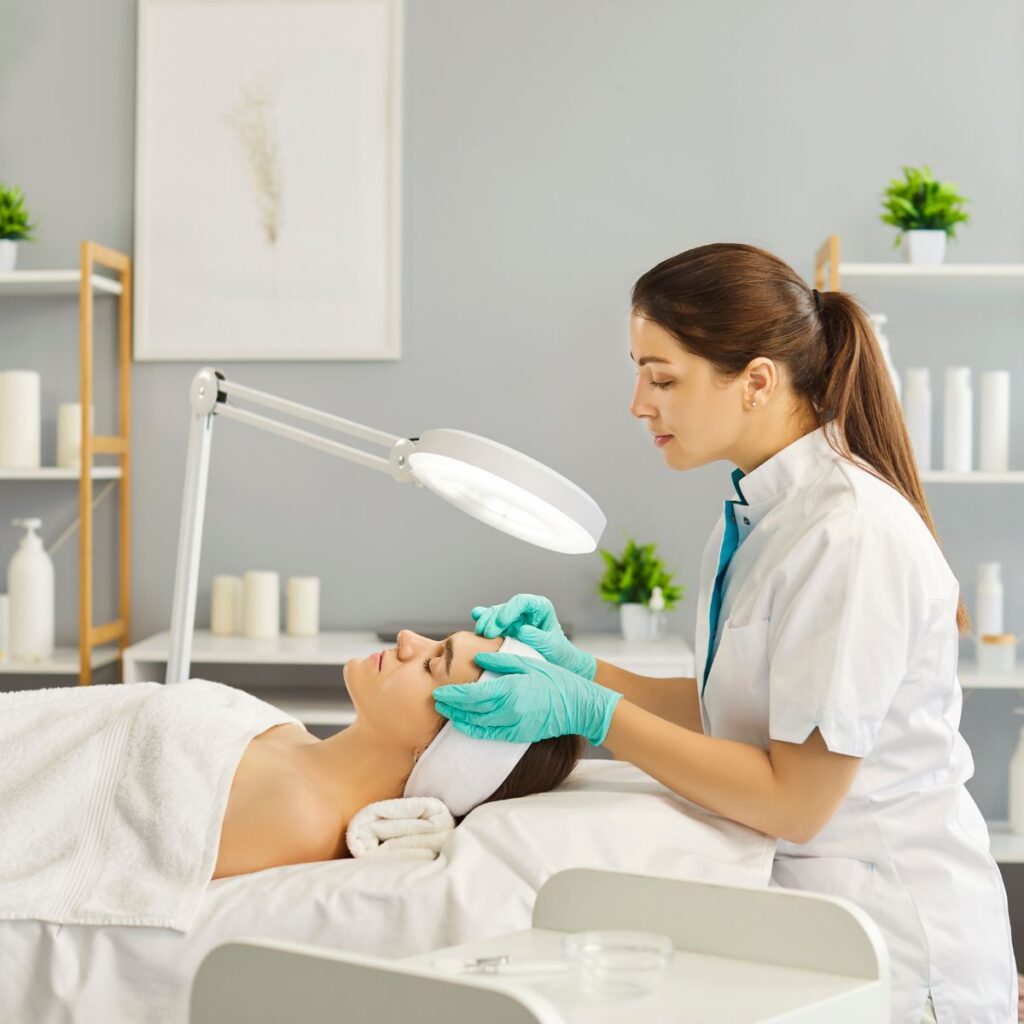
A Simple Skincare Routine That Actually Works
When it comes to acne-prone skin, simplicity is key. Overloading your skin with products can make things worse.
Start with a gentle face wash suitable for oily or acne-prone skin. The right cleanser alone can solve a large part of the problem. After cleansing, use a lightweight, non-sticky moisturizer to maintain skin hydration.
Sunscreen is important, but in acne-prone skin, layering too many products can clog pores. Depending on your environment and skin type, your routine should be adjusted—not blindly followed.
At night, keep your routine minimal. A mild treatment like salicylic acid or niacinamide can help, but again, less is more.
Small Habits That Make a Big Difference
Sometimes, it’s not the products but everyday habits that affect your skin the most.
Not changing pillowcases regularly, using the same towel for face and body, or touching your face frequently can all worsen acne. Even poor scalp hygiene can trigger breakouts on the forehead and back.
Simple changes like washing your hair regularly, keeping your hands clean, and maintaining personal hygiene can significantly improve your skin.
Diet and Acne: What You Need to Know

Diet plays an indirect but important role in acne.
Foods that cause inflammation—like high sugar, processed items, and excessive dairy—can trigger breakouts in some individuals. Sugar, in particular, increases insulin levels, which can worsen acne and even contribute to hormonal imbalances over time.
Instead of following strict restrictions, it’s better to observe your body. Maintaining a food diary can help identify what specifically triggers your acne.
At the same time, including home-cooked meals and antioxidant-rich foods can support your skin health.
Whey Protein, Supplements & Acne
Whey protein is a common concern, especially among gym-goers. While it doesn’t affect everyone, it can aggravate acne in some people—particularly causing breakouts on the face, chest, and back.
The key is not just what you consume, but how much and how your body responds to it.
Similarly, supplements like antioxidants and vitamins can support acne treatment when prescribed correctly. Vitamin D, for example, has shown benefits in improving inflammatory acne.
However, self-medication is not advisable. Always consult a professional before adding supplements to your routine.
Hormonal Acne and PCOS
Hormonal acne is a different category altogether. It usually appears around the jawline, chin, and neck, and often worsens before periods.
In some cases, it may be linked to PCOS, especially if accompanied by irregular periods, weight gain, or increased facial hair.
Managing hormonal acne requires a holistic approach—lifestyle changes, diet correction, and medical treatment when necessary. It’s not something that can be fixed with topical creams alone.
Advanced Treatments for Acne
For moderate to severe acne, or when marks and scars are involved, advanced treatments can make a significant difference.
Procedures like chemical peels, acne extraction, IPL, microneedling, and laser treatments are used based on your skin condition. These treatments are carefully selected and customized—there is no one-size-fits-all solution.
How Long Does Acne Take to Heal?
One of the most common questions is—how long will it take?
The honest answer is—it depends.
Some cases improve within a month, while others, especially hormonal or long-standing acne, may take several months to a year. Acne treatment is a gradual process that requires consistency and patience.
It’s also a shared responsibility—your dermatologist guides you, but your daily habits and consistency play an equally important role.
Final Thoughts: Treat Acne the Right Way
Acne is not just a cosmetic concern—it can affect your confidence and mental well-being. But with the right approach, it is completely manageable. Instead of chasing quick fixes, focus on understanding your skin, simplifying your routine, and seeking expert guidance when needed.